

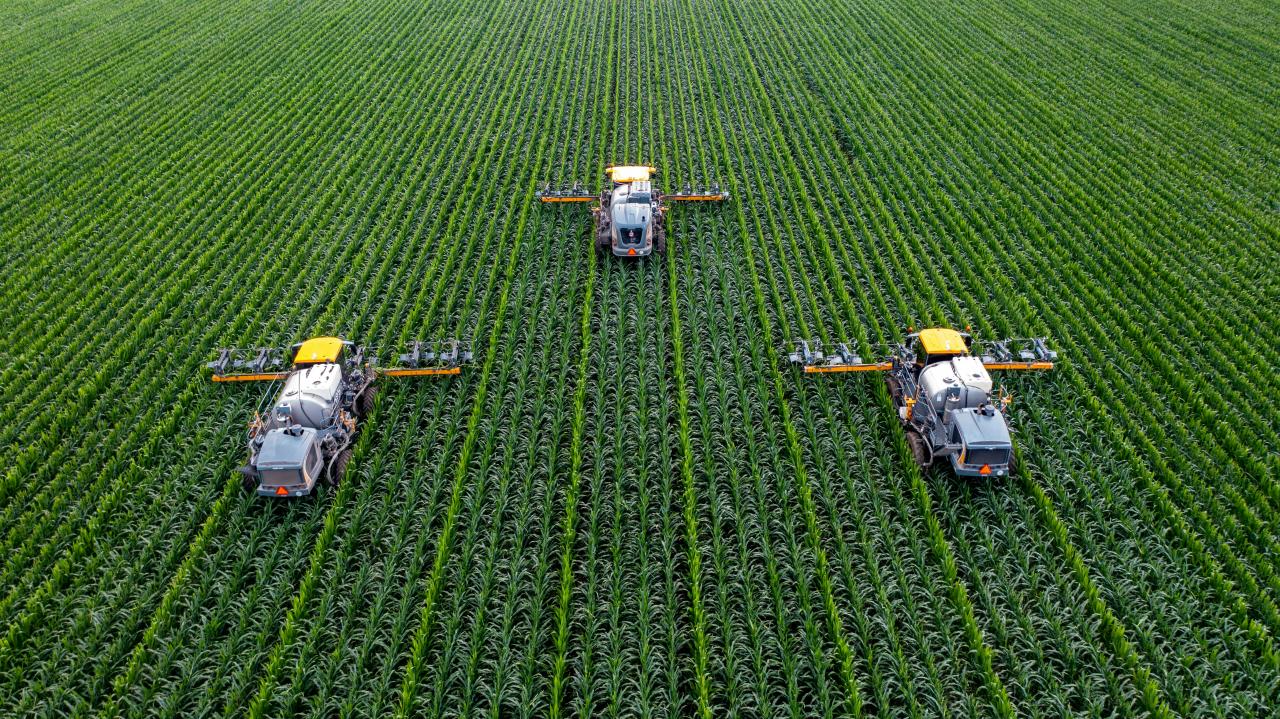
Farming is undergoing a massive digital transformation today. Traditional labor shortages force growers to seek modern mechanical helpers. Autonomous tractors and robotic harvesters change how fields operate. These smart machines work day and night without getting tired.
Crop production climbs higher while manual labor costs drop sharply. Rural communities face exciting new job opportunities in machinery maintenance.
Every modern farmer wants a piece of this automated revolution. Intelligent systems handle tedious chores with incredible precision. Food production scales up to match rising global demands. The fields of tomorrow look completely different from yesterday.
Embracing Driverless Tractors In Fields
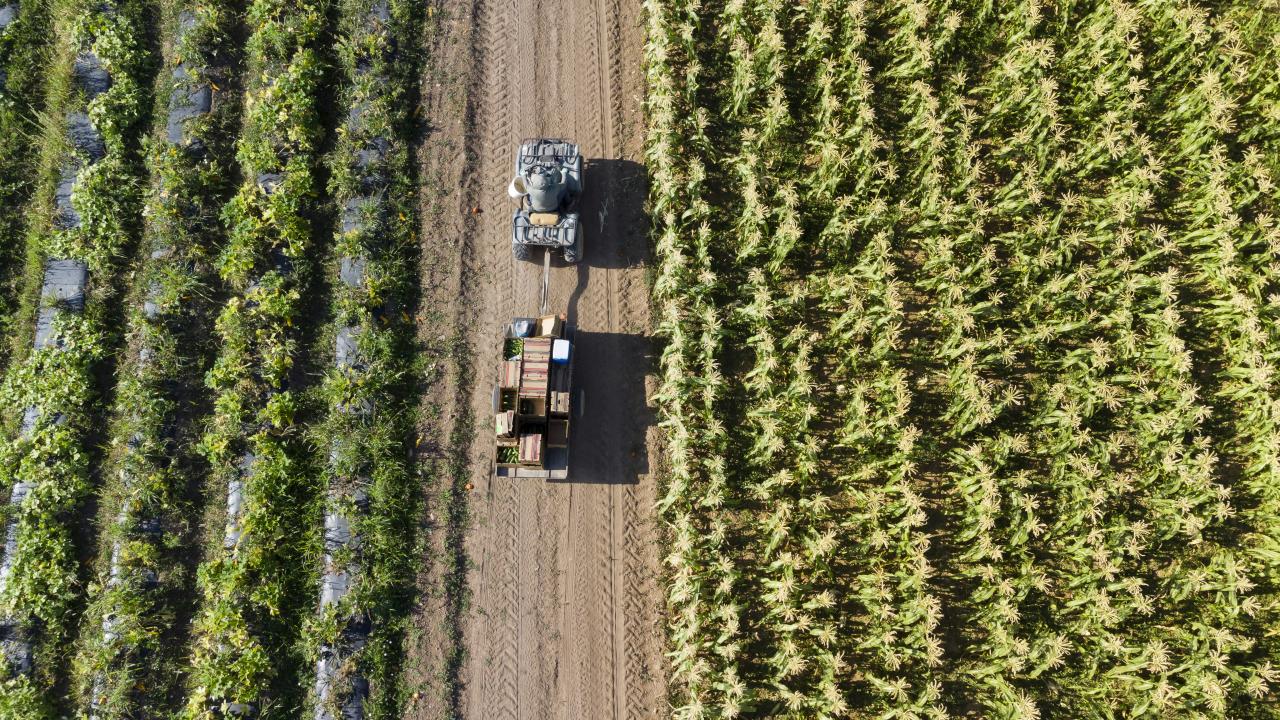
Driverless tractors lead the modern agricultural machinery shift. GPS guidance and LiDAR sensors help them navigate tight rows.
Farmers program field boundaries before letting the machines work. These heavy metal giants plow and seed with pinpoint accuracy. Soil compaction drops because lighter robotic chassis distribute weight evenly.
As a writer, I always remind growers that letting go of the steering wheel feels weird at first. Trusting software to handle multi-million dollar equipment takes mental adjustment. Yet, the safety records of modern autonomous tractors prove their immense reliability.
Operators supervise multiple machines from comfortable farm office chairs. This setup transforms exhausted field hands into skilled tech managers. Productivity numbers soar past old historical benchmarks every single season.
A. Map field boundaries using high-precision RTK GPS hardware. B. Set up remote emergency stop triggers for absolute safety. C. Monitor machine telemetry apps during active tilling operations.
Revolutionizing Harvest With Robotic Pickers
Harvesting delicate fruits requires a delicate mechanical touch. Old mechanical shakers often bruise apples, berries, and ripe tomatoes. Modern robotic arms use computer vision to spot ripe produce. Soft silicone grippers pluck fruits gently without causing any damage.
From my perspective, labor shortages hit harvest seasons harder than any other time. Relying solely on seasonal migrant workers creates massive operational anxiety. Robotic pickers solve this bottleneck by working tirelessly around the clock.
Ripe crops leave the branches right at their absolute peak. Supermarkets receive fresher produce with much longer shelf-life metrics. Waste drops significantly right at the primary production source.
A. Calibrate computer vision cameras for specific crop color profiles. B. Adjust robotic grip pressure based on fruit firmness ratings. C. Clean optical lenses daily to maintain accurate fruit detection.
Weed Control Through Smart Mechanical Zappers
Chemical herbicides face growing restrictions across many modern markets. Weeds develop tough resistances to standard commercial sprays over time. Autonomous weeding robots crawl slowly down every single crop row. They zap unwanted weeds using lasers or targeted micro-sprays.
I firmly believe that mechanical weeding preserves long-term soil health. Chemical saturation kills beneficial microorganisms living deep underground. Precision zapping keeps your dirt rich, alive, and highly productive.
Crop roots experience zero chemical stress during the weeding phase. Plants grow faster and stronger without competing for vital nutrients. Your overall chemical purchasing budget shrinks down to a fraction.
A. Program vision systems to distinguish crops from invasive weeds. B. Deploy solar-powered weeding rovers for continuous field patrols. C. Track weed density maps to optimize future planting layouts.
Managing Fleets With Cloud Connected Software
Managing multiple autonomous robots requires centralized digital control hubs. Cloud software coordinates tractor paths, battery levels, and repair needs. Mechanics receive automated alerts before any engine part breaks down. Fleet managers track every machine movement on live interactive maps.
In my view, software integration separates successful farms from struggling ones. Buying expensive hardware means nothing if your data systems remain disconnected. Streamlining your digital workflow keeps every robot working at peak capacity.
Maintenance downtime costs thousands of dollars during critical harvest weeks. Predictive diagnostics catch mechanical failures before they halt field operations. Smart fleet management turns chaotic farming schedules into smooth clockwork.
A. Sync fleet schedules with daily weather forecast updates. B. Store all machine diagnostic logs on secure cloud servers. C. Train farm workers on basic digital fleet troubleshooting steps.
Conclusion
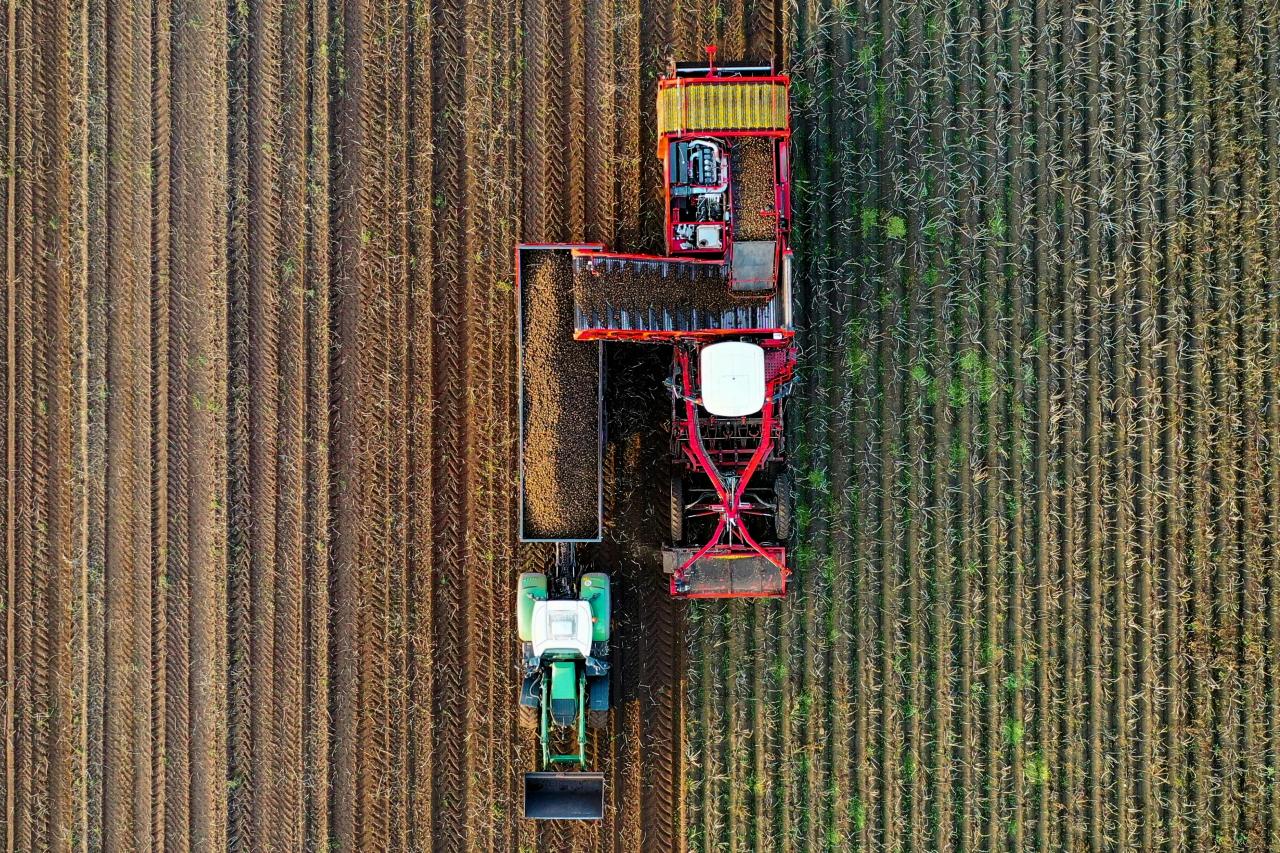
Autonomous machinery represents the ultimate evolution of modern agriculture. Growers who adopt these smart tools unlock unmatched levels of productivity. Every robotic tractor and weeding rover brings us closer to abundance.
Farming stops being a gamble and turns into a science. Sustainable food systems rely heavily on these intelligent mechanical partners. The fields respond with rich harvests and lower operational costs. Embrace this robotic shift and watch your farm thrive.

