

Investing in renewable energy has transformed from a simple green initiative into a major engine for long-term corporate growth.
Modern companies realize that relying purely on traditional power grids exposes them to volatile market prices and operational risks. By shifting toward clean energy solutions, organizations protect their cash flow while building a resilient infrastructure for the future.
This strategic pivot allows businesses to turn everyday utility expenses into valuable productive assets. Generating your own clean power dramatically cuts overhead costs and opens up new revenue opportunities through energy sales and market incentives.
Companies that act today secure a clear competitive edge, ensuring their operations remain lean, efficient, and highly profitable.
Understanding the mechanics of clean energy integration is essential for executives who want to maximize their return on investment.
The transition requires a clear roadmap that balances upfront capital deployment with long-term operational savings and market scalability. The following comprehensive breakdown explores the primary avenues for corporate clean energy integration and how they drive enterprise value.
A. Commercial Solar Infrastructure Expansion

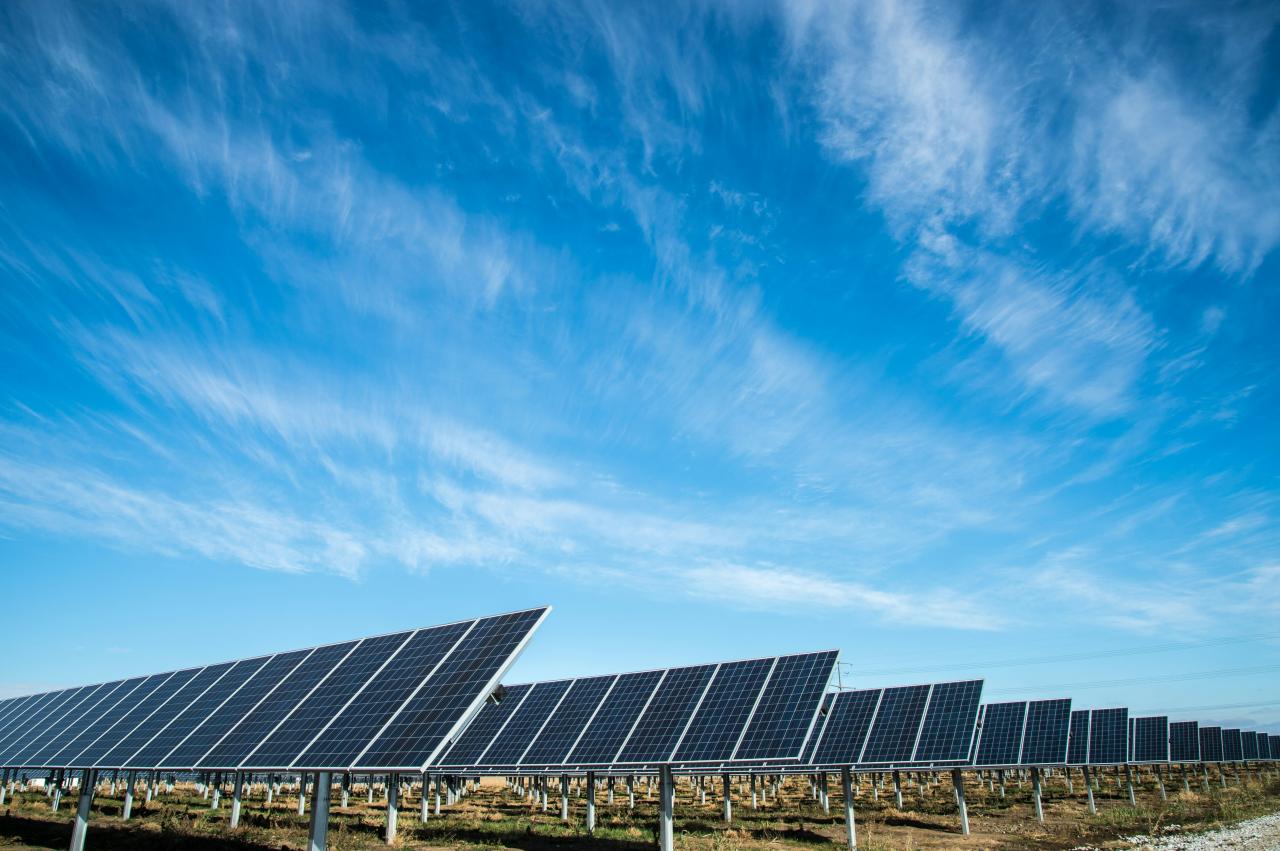
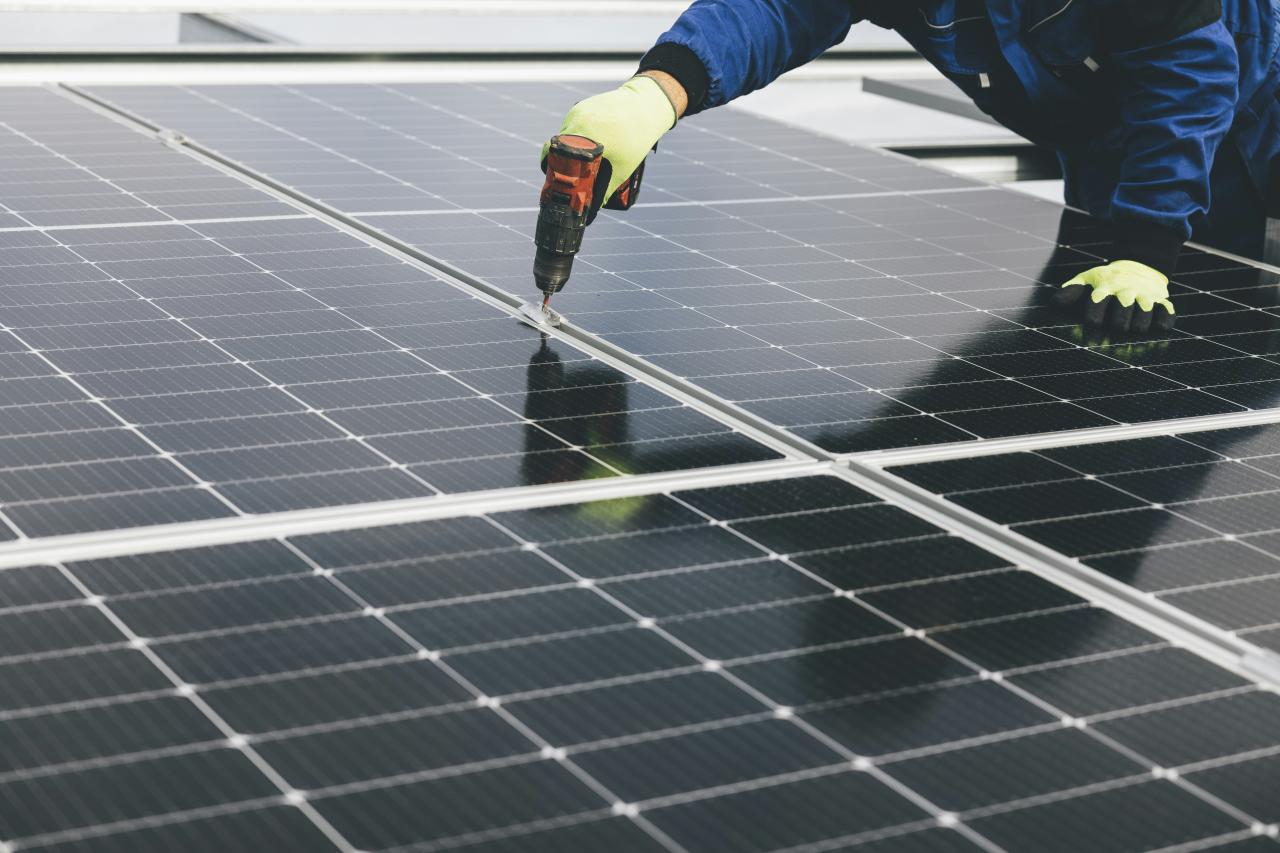
Commercial solar setups represent the most accessible and immediate entry point for corporate clean energy adoption. Unused rooftop space, parking structures, and vacant corporate land can quickly become powerful power generation hubs.
These installations directly reduce grid electricity dependency, cutting daily operational costs from the moment they go live.
From a practical perspective, solar panel technology has matured to offer exceptional reliability with minimal maintenance requirements.
Modern photovoltaic systems deliver consistent energy yield, allowing financial officers to forecast energy expenses with precise accuracy. Investing in high-efficiency solar panels ensures maximum power output per square meter, optimizing the return on unused corporate real estate.
To overcome the challenge of heavy upfront equipment costs, finance teams should combine commercial solar projects with available tax equity structures and local rebates.
B. On-Site Wind Energy Deployment
On-site wind energy systems provide a continuous, high-capacity power solution for industrial facilities and large commercial complexes.
Unlike solar generation, wind turbines often operate efficiently during nighttime hours and during overcast weather conditions. This continuous output creates a balanced energy profile that smooths out dangerous demand spikes on the facility’s power grid.
Integrating modern wind turbines into corporate operations requires proper spatial planning and comprehensive local wind resource assessments.
Compact vertical-axis turbines now allow urban and sub-urban corporate facilities to harness wind power without needing massive open fields. Deploying these units strengthens total energy autonomy and shields facilities from regional blackout hazards.
C. Advanced Battery Storage Integration
Installing robust battery energy storage systems solves the fundamental challenge of power intermittency in renewable generation.
Storage technology captures excess energy during peak production hours and releases it when generation drops or grid prices soar. This practice, known as peak shaving, drastically lowers high-demand grid fees billed by utility providers.
Modern lithium-ion and flow battery systems offer reliable performance and long operational lifespans for enterprise facilities.
Integrating smart energy storage creates an emergency backup power supply, protecting sensitive corporate digital infrastructure from unexpected power outages. This continuous reliability keeps revenue-generating operations running smoothly under any grid conditions.
To avoid wasting expensive storage capacity, management should integrate intelligent software that automatically tracks utility tariff schedules.
D. Geothermal Heating and Cooling Systems
Geothermal energy solutions utilize the steady ambient temperature of the earth to provide hyper-efficient facility climate control.
Traditional HVAC systems account for a massive percentage of commercial building power consumption, driving up baseline utility bills. Geothermal heat pumps drastically reduce this energy footprint, delivering reliable heating and cooling at a fraction of standard operating costs.
Installing geothermal infrastructure involves ground-source heat exchanger loops buried beneath corporate grounds or building foundations.
While the initial ground preparation requires careful engineering, the operating machinery features fewer moving parts than legacy cooling towers. This mechanical simplicity translates directly to lower maintenance budgets and extended system longevity.
E. Corporate Power Purchase Agreements
Corporate power purchase agreements enable companies to buy clean power directly from large off-site renewable utility developers.
This contractual model allows businesses to secure fixed, long-term electricity rates without taking on the direct capital risk of managing power plants. It provides immediate price predictability, insulating corporate operational budgets from erratic fossil fuel price swings.
These contracts can be structured as physical energy delivery or virtual financial settlements, offering total balance sheet flexibility. Enterprise buyers gain massive clean power capacity that matches their exact consumption profile across multiple geographic locations.
This scale makes power purchase agreements an ideal choice for rapidly expanding corporate enterprises.
Navigating long-term energy contract structures can seem overwhelming for corporate procurement teams unfamiliar with utility markets.
Conclusion
Investing in modern clean power assets creates an unshakeable foundation for durable corporate growth and market leadership. The financial and operational benefits extend far beyond direct utility bill reductions, driving total organizational efficiency.
Companies that proactively modernize their energy sourcing control their operational costs, protect against grid failures, and build lasting financial enterprise value.
Taking quick, deliberate steps toward energy independence guarantees long-term budget stability and strong investor confidence.
The strategic integration of solar, wind, storage, and thermal technologies creates a fully optimized corporate energy ecosystem. Moving forward with a well-planned energy strategy ensures your business thrives in an increasingly competitive economic landscape.

