

Modern farming faces intense pressure to feed a rapidly growing global population. Traditional methods often waste precious water and expensive fertilizers due to guesswork. Farmers constantly struggle with unpredictable weather patterns and shifting soil conditions.
Smart sensors offer a revolutionary way to monitor fields in real time. These digital tools collect precise data about soil moisture and nutrient levels. Agricultural professionals can now make informed decisions instantly instead of relying on intuition.
Implementing advanced field technology transforms ordinary dirt into a high-yielding asset. Every drop of water counts when you track exact crop needs.
Growers who adopt these systems quickly notice a massive drop in operational waste. Ultimately, smart hardware bridges the gap between traditional husbandry and modern science.
Understanding Soil Moisture Dynamics
Moisture monitoring forms the backbone of any successful precision farming strategy. Underground probes measure water availability across different root zones effortlessly.
Farmers no longer need to walk miles just to dig up dry dirt. Instead, they check live mobile dashboards while drinking morning coffee. Real-time alerts warn growers before plants show any visible signs of stress.
As a writer, I always urge growers to look beyond simple averages. Soil variation happens within meters, meaning one wet spot does not represent a whole field. Placing multiple sensors strategically helps you capture micro-climates accurately.
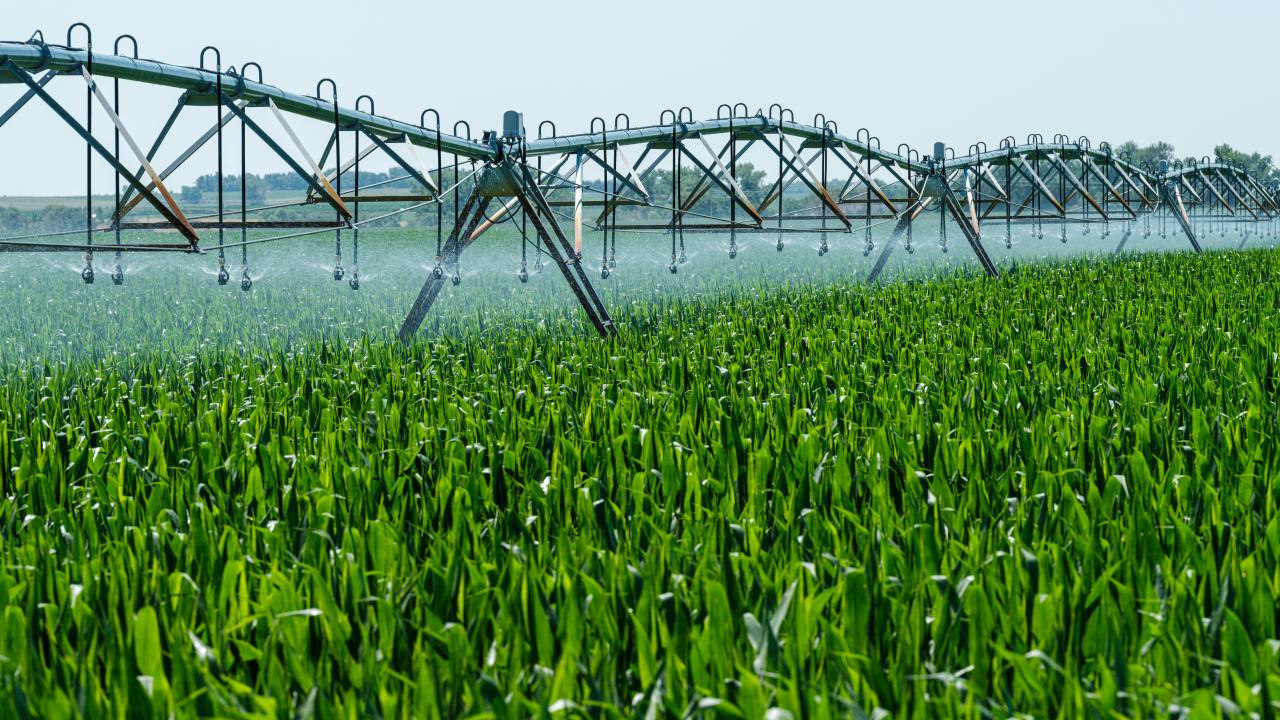
Smart irrigation valves connect directly to these moisture probes. Water flows only when the root zone actually demands replenishment. This automated precision saves enormous amounts of energy and utility costs.
A. Install probes at varying depths to track deep percolation.
B. Calibrate hardware regularly to prevent data drift from mineral buildup.
C. Combine soil metrics with local weather forecasts for better timing.
Optimizing Nutrient Delivery Systems
Fertilizer costs make up a huge chunk of yearly farm expenses. Over-application ruins groundwater quality while burning holes in your wallet. Smart chemical sensors detect exact nitrogen and phosphorus levels instantly. You apply nutrients only where the crops scream for food.
From my perspective, rushing fertilizer applications based on a calendar schedule is a costly trap. Crops grow based on biological needs, not human dates. Dynamic nutrient mapping changes how you purchase and store inputs.
Targeted feeding boosts plant immunity against stubborn local pests. Healthy plants naturally fight off diseases without heavy chemical sprays. Your harvest quality skyrockets when roots receive balanced nutrition every single day.
A. Use optical leaf sensors to gauge nitrogen status dynamically.
B. Map nutrient deficiencies down to specific field blocks.
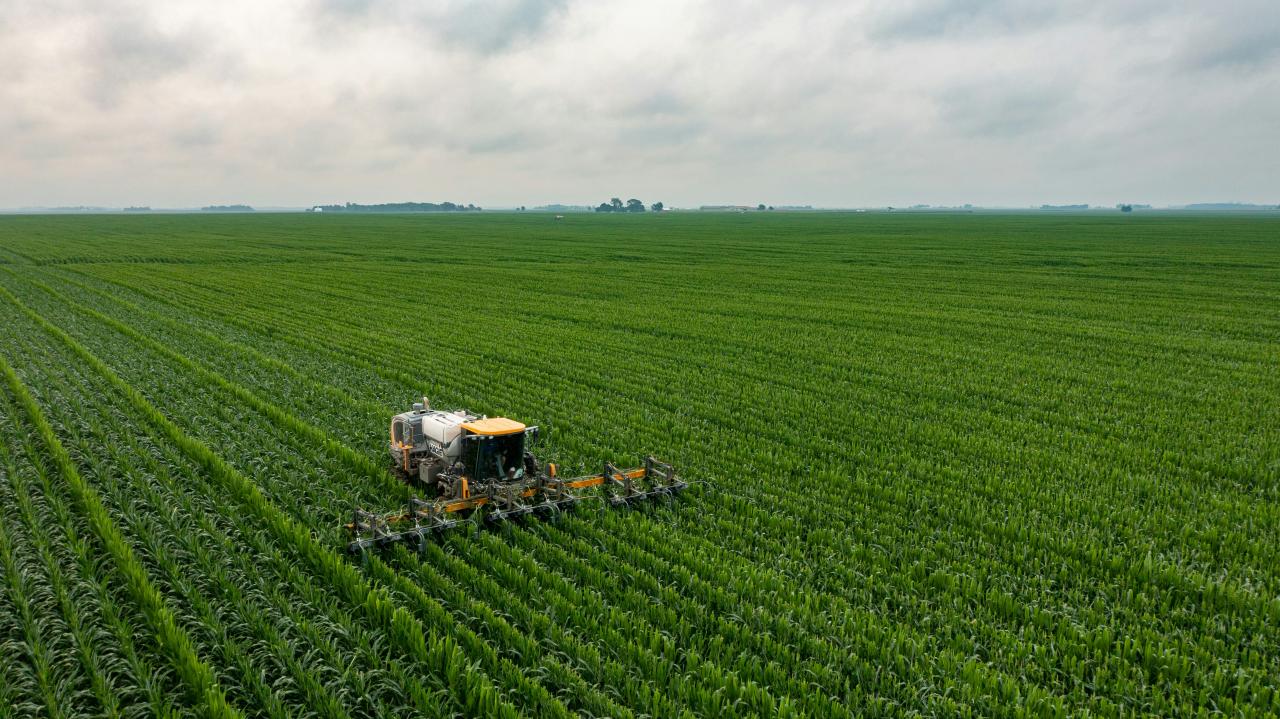
C. Adjust spreader rates automatically using live tractor telemetry.
Tracking Microclimate And Weather Patterns
Local weather can flip your harvest plans upside down overnight. Canopy sensors measure temperature, humidity, and sunlight exposure continuously. This hyper-local data beats national weather forecasts every single time. You spot frost risks hours before temperatures drop dangerously low.
I firmly believe that ignoring microclimate data leaves money sitting directly on the table. Valleys and ridges experience vastly different wind and heat profiles. Capturing these nuances lets you protect vulnerable crops proactively.
Early disease warnings rely heavily on continuous humidity tracking. Fungal spores thrive when leaves stay damp for too long. Automated fans or targeted fungicide applications stop outbreaks before spreading.
A. Mount weather stations above the main crop canopy level.
B. Track leaf wetness duration to predict fungal infection windows.
C. Monitor ambient temperature swings to prevent sudden heat shock.
Automating Field Operations With IoT
Internet of Things devices connect every piece of farm machinery seamlessly. Tractors, drones, and irrigation pumps share data over private networks. Manual labor shifts from heavy physical chores to smart system management.
In my view, automation is not about replacing human intuition; it is about amplifying it. Technology handles the tedious counting and measuring tasks. You get to focus entirely on big-picture farm growth and market timing.
Streamlined operations reduce machinery wear and tear significantly. Equipment runs only when necessary, saving valuable fuel across large acreages. Your entire enterprise becomes leaner, faster, and remarkably profitable.
A. Connect autonomous tractors directly to real-time soil maps.
B. Use drone imagery to verify sensor readings across large fields.
C. Centralize all farm data onto one simple mobile dashboard.
Conclusion
Maximizing agricultural output requires continuous learning and smart technological adaptation. Farmers who embrace digital tools unlock unprecedented levels of operational efficiency. Smart sensors turn overwhelming environmental data into clear, actionable daily steps.
Your fields will respond with healthier plants and much heavier harvests. Sustainability and high profitability finally walk hand in hand together. The future of farming belongs to those who measure precisely.

