


In the fast-paced world of modern software business, choosing the right pricing strategy can make or break your digital venture. Many founders build incredible products yet struggle to achieve profitability because they ignore how packaging directly impacts customer psychology.
Without a clear monetization framework, even the most innovative applications will fail to capture their true market value. Your pricing model acts as the ultimate bridge between user acquisition and long-term financial sustainability.
Smart entrepreneurs treat pricing as an active product feature rather than a static afterthought on their website.
Understanding the core mechanics of software monetization allows you to align customer success with your company growth. Let us dive deep into the most effective pricing structures that maximize revenue today.
Understanding the Core Value Metric
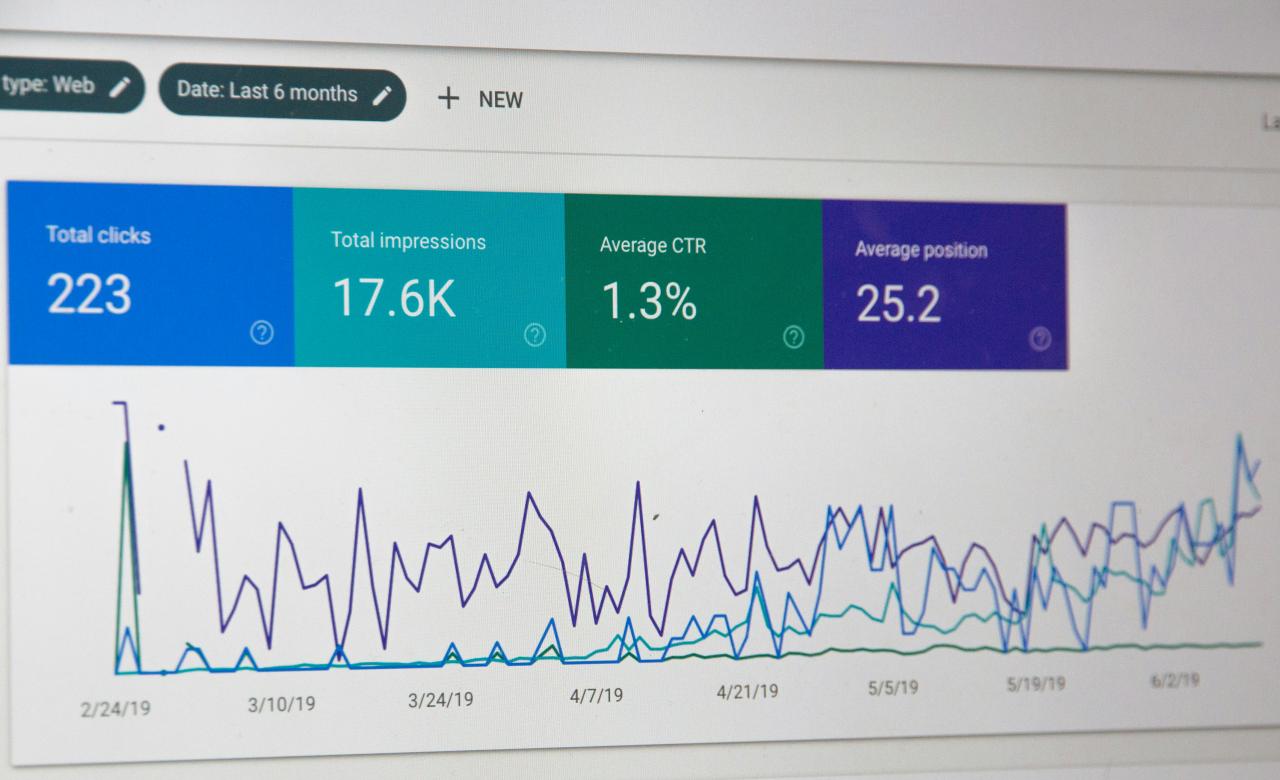
Choosing a strong value metric ensures that your revenue scales naturally alongside customer usage and satisfaction. This foundational choice prevents your business from leaving money on the table as clients grow more successful.
A. Establishing a solid value metric requires deep analysis of how customers extract benefits from your platform. When users see a direct correlation between their payments and their outcomes, churn rates drop dramatically.
B. Avoid complex metrics that confuse buyers during the initial purchase decision process. Simple metrics like active users, data storage, or transaction volume keep the sales friction remarkably low.
C. Injecting your personal perspective here means realizing that your first metric choice does not have to be permanent. Feel free to evolve your metric as your software adds heavier enterprise features over time.
Flat-Rate Pricing for Simplicity
Flat-rate pricing offers a single, predictable price point for access to your entire software feature set. This straightforward approach eliminates buyer hesitation and simplifies your marketing messaging across every channel.
A. Small businesses and solopreneurs love flat-rate tiers because they remove budget uncertainty from monthly software expenses. Your sales team can close these deals quickly without lengthy negotiations over feature gates.
B. The major downside is that you miss out on capturing extra revenue from your heaviest power users. You must balance the simplicity of this model against the potential money left unclaimed.
C. From a unique writer perspective, flat-rate models work best for niche productivity tools with broad, universal appeal. Do not use this approach if your server costs scale heavily with individual user activity.
Usage-Based Pricing for Scalability
Usage-based pricing charges customers strictly based on their consumption volume, such as API calls or processed emails. This consumption model creates a frictionless entry point for small teams who want to test the waters.
A. Customers appreciate only paying for what they actually use during slow business months. This fairness builds immense brand loyalty and turns everyday users into passionate advocates for your brand.
B. Revenue forecasting becomes notoriously difficult because your monthly income fluctuates based on customer activity levels. You need robust financial buffers to handle sudden dips in platform usage.
C. My insider advice is to pair usage-based tiers with a small minimum monthly base fee to protect your baseline cash flow. This hybrid tweak guarantees predictable revenue while keeping heavy consumers happy.
Tiered Pricing to Capture Diverse Markets
Tiered pricing packages different feature sets and limits into distinct subscription levels like basic, pro, and enterprise. This strategy lets you capture multiple customer segments with varying budgets and needs simultaneously.
A. The middle tier often acts as a psychological anchor that guides buyers toward your most profitable plan. Most users will naturally select the option that looks like the best overall value.
B. Be careful not to overwhelm prospects with too many confusing choices on your pricing page. Limit your structure to three distinct tiers to maximize conversion rates and reduce cognitive load.
C. Looking at this strategy through a modern lens, always keep your most popular tier visually highlighted. Highlighting the ideal package subtly nudges undecided visitors toward making an immediate purchase.
Per-User Pricing and Its Evolution
Per-user pricing charges a fixed fee for each individual employee who accesses your software application. This classic model has powered some of the biggest enterprise software giants for decades.
A. Organizations find this method easy to understand and budget for across departmental payrolls. You can project future revenue streams accurately as client companies hire new team members.
B. Modern teams often share login credentials to bypass these fees, which can hurt your overall expansion revenue. You need automated security checks to prevent account sharing without frustrating honest buyers.
C. In my experience, combining per-user fees with feature limitations creates a much stronger revenue defense. Make sure that adding users also unlocks collaborative benefits that make teamwork seamless.
Freemium Models for Rapid Growth
Freemium models offer a permanently free basic version of your software to attract massive user volume quickly. You then upsell these free users into premium paid tiers as their operational needs expand.
A. Viral loops happen naturally when free users invite colleagues and clients onto your platform every single day. Your customer acquisition costs drop significantly when word-of-mouth marketing takes over.
B. Conversion rates from free users to paid subscribers are typically quite low across the software industry. You must invest heavily in product-led growth triggers to guide free users toward upgrading.
C. My fresh take on freemium is that it is a marketing strategy disguised as a pricing model. Treat your free tier as your primary lead generation engine rather than a charity project.
Dynamic Pricing Strategies
Dynamic pricing adjusts your software costs based on real-time market demand, user segments, or specific geographical regions. This advanced tactic ensures you always extract maximum value from every single transaction.
A. Automated algorithms can test different price points quietly in the background to find optimal conversion sweet spots. Smart data collection helps you adapt to changing economic conditions without manual delays.
B. Customers can feel alienated if they discover others are paying lower rates for identical software access. Transparency is vital to ensure your dynamic adjustments do not damage customer trust.
C. From a strategic standpoint, use regional pricing adjustments to penetrate developing global markets effectively. Tailoring costs to local purchasing power unlocks entirely new revenue streams instantly.
Conclusion

Mastering software pricing models is an ongoing journey that requires constant testing, listening, and strategic adaptation. Your pricing strategy directly influences your brand perception and your ability to fund future product innovations.
By aligning your costs with real customer value, you build a resilient business model that withstands market shifts. Every pricing experiment provides valuable data that helps you serve your audience with greater precision.
Take what you learned today and audit your current monetization structure to find hidden growth opportunities. Implement these insights thoughtfully and watch your recurring revenue scale to new heights.

