

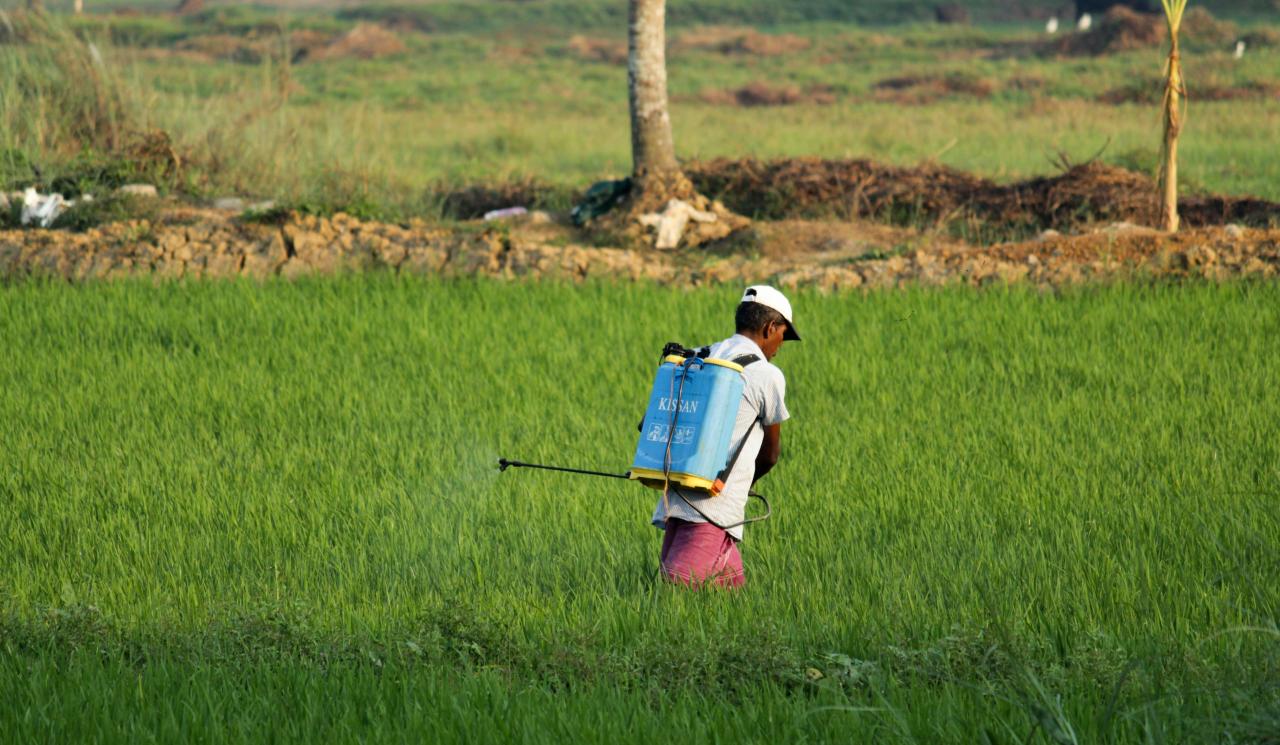
Modern agriculture faces a massive shift away from harsh chemical pesticides. Consumers demand safer food options while regulatory bodies ban traditional toxic formulas entirely. Farmers constantly search for natural alternatives that protect crops without ruining soil health.
Biological crop protection inputs offer a powerful solution to this growing crisis. Beneficial microbes and predatory insects step up to guard fields naturally. Scaling these organic inputs up requires careful planning and smart execution.
Growers now embrace bio-pesticides to maintain high yields and clean environments. Transitioning to biological inputs secures long-term farm profitability and consumer trust. Agricultural sustainability depends heavily on these innovative, eco-friendly crop defenses.
Every modern grower must explore biological options to stay competitive. Future generations deserve chemical-free soils and thriving agricultural ecosystems.
Sourcing Beneficial Microbes For Soil Health
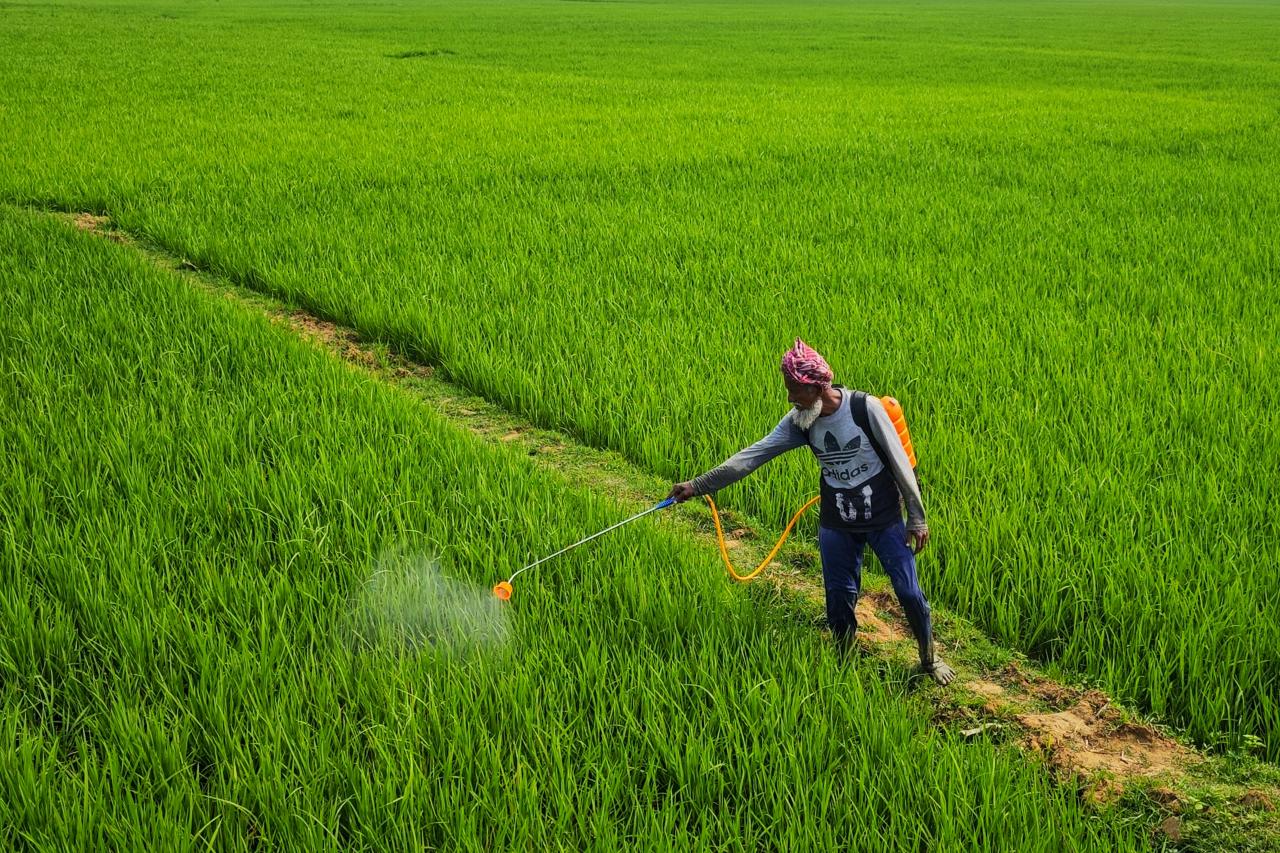
Beneficial bacteria and fungi form the foundation of organic pest control. These microscopic organisms colonize plant roots and crowd out dangerous pathogens. Farmers multiply these friendly microbes using specialized on-farm fermentation tanks.
Healthy soil ecosystems suppress root diseases long before symptoms ever appear. Local agricultural extensions provide baseline microbial strains for regional testing. Early setup saves thousands of dollars in chemical fungicide fees.
Digital monitoring tools mounted on tanks regulate temperature continuously. Cloud servers process fermentation data within mere seconds of activation. Growers receive instant smartphone notifications about optimal microbial growth phases.
As a writer, I always stress that feeding your dirt matters more than treating sick plants. Chemical fungicides kill helpful organisms alongside destructive fungi, leaving soils completely sterile. Cultivating living biology creates a resilient underground defense network.
You stop wasting money on repetitive chemical applications that yield diminishing returns. Many growers ignore microscopic soil life thinking only visible leaves matter. Treating root biology early prevents widespread farm pathogen outbreaks entirely.
Beneficial microbes break down organic matter into accessible plant food quickly. Plants absorb essential nutrients naturally without requiring heavy synthetic fertilizer boosts. Your overall crop resilience skyrockets under this living soil approach.
Earthworms thrive when toxic chemical runoffs decrease around root zones. Sustainable practices attract eco-conscious consumers willing to pay premium retail prices.
A. Cultivate beneficial microbes using clean on-farm fermentation tanks. B. Test soil samples monthly to monitor active bacterial populations. C. Apply microbial inoculants directly through existing drip irrigation systems.
Breeding Beneficial Insects For Pest Control
Releasing predatory insects controls pest populations without spraying toxic chemicals. Ladybugs, parasitic wasps, and predatory mites hunt destructive caterpillars effortlessly. Farmers set up dedicated breeding hubs right on their own properties.
These natural predators eliminate aphids before minor issues become farm-wide disasters. Local insect suppliers deliver starter colonies directly to farm gates. Early insect releases save thousands of dollars in synthetic insecticide costs.
Automated release boxes distribute beneficial bugs evenly across large crop fields. Digital mapping tools track insect migration patterns during peak summer months. Growers receive instant smartphone notifications about localized pest surge numbers.
From my perspective, relying on chemical sprays creates lazy, resistant pest strains. Nature already provides balanced predator-prey relationships if we stop disrupting them.
Bringing beneficial bugs back restores natural harmony to your commercial acreage. Pest management shifts from a chemical war to a smart biological dance. Securing reliable predator supplies ensures long-term agricultural survival.
Crops experience zero chemical shock throughout their entire growth cycle. Harvest weights increase because plants never waste energy recovering from toxins.
Local bird populations return because chemical poisoning stops completely. Sustainable insect management protects local aquatic habitats from chemical runoffs. Plants grow faster and produce much heavier, healthier fruit yields.
A. Build shaded insect breeding shelters near main crop rows. B. Release predatory mites early before pest populations explode. C. Plant border flowers to feed and retain beneficial wild insects.
Scaling Production With On-Farm Bio-Reactors
Purchasing commercial biological inputs can strain tight seasonal farm budgets. On-farm bio-reactors allow growers to multiply biological agents cheaply. Simple tanks, aeration pumps, and molasses feedstocks create endless inputs.
Farmers brew massive batches of liquid bio-pesticides right in their barns. Local grain elevators pay top dollar for verified organic crop volumes. Crop insurance companies offer lower rates for verified biological management plans.
Agricultural banks approve expansion loans much faster with sustainable data. Supply chain partners schedule transport trucks without guessing game errors. Food waste drops drastically across the entire organic distribution pipeline.
I firmly believe that relying solely on retail bottles limits farm scalability. Manufacturing your own biological inputs cuts operating expenses down to fractions.
Accurate brewing practices build immense trust between growers and corporate buyers. Strategic biological production turns seasonal farming into a steady corporate enterprise.
Storage facilities prepare adequate space without wasting money on empty rentals. Transport logistics run smoothly because trucks arrive exactly when organic crops ripen. Your entire supply chain operates like a well-oiled machine.
Consumers enjoy fresher produce because transit times drop significantly. Retailers maintain consistent stock levels without facing unexpected supply shortages.
A. Install heavy-duty aeration pumps inside your bio-reactor tanks. B. Feed microbial brews with organic molasses and nutrient powders. C. Test liquid biological density before applying it to field crops.
Integrating Bio-Inputs With Existing Machinery
Spraying biological inputs requires specialized care compared to synthetic chemicals. Living microbes die quickly inside dirty tanks previously holding harsh pesticides. Farmers must clean spray rigs thoroughly before switching to organic formulas.
Modern tractors equipped with precision sprayers apply bio-pesticides evenly. Direct-to-consumer digital platforms cut out expensive middleman brokers entirely. Blockchain tracking proves organic growing claims to skeptical modern shoppers.
Smart contracts execute payments instantly upon successful cargo delivery. Warehousing robots organize inventory pallets with zero human error. Global trade barriers shrink when digital documentation standards align.
In my view, treating biological inputs like harsh chemicals guarantees total failure. Living organisms need gentle handling, clean filters, and proper pressure limits.
Mastering bio-application software transforms humble growers into savvy digital executives. Farmers deserve fair compensation for their hard physical labor.
Equipment lifespan extends significantly when machinery avoids corrosive chemical residues. Your entire spraying operation runs smoother, cheaper, and much more efficiently.
Employee satisfaction climbs higher when toxic mixing chores disappear completely. Small family farms compete successfully against massive corporate agriculture conglomerates. Modern tools eliminate old boundaries that once limited farm growth.
A. Flush sprayer tanks completely before mixing biological formulas. B. Remove fine mesh filters that might trap beneficial microbes. C. Spray fields during late evening hours to protect live organisms.
Conclusion
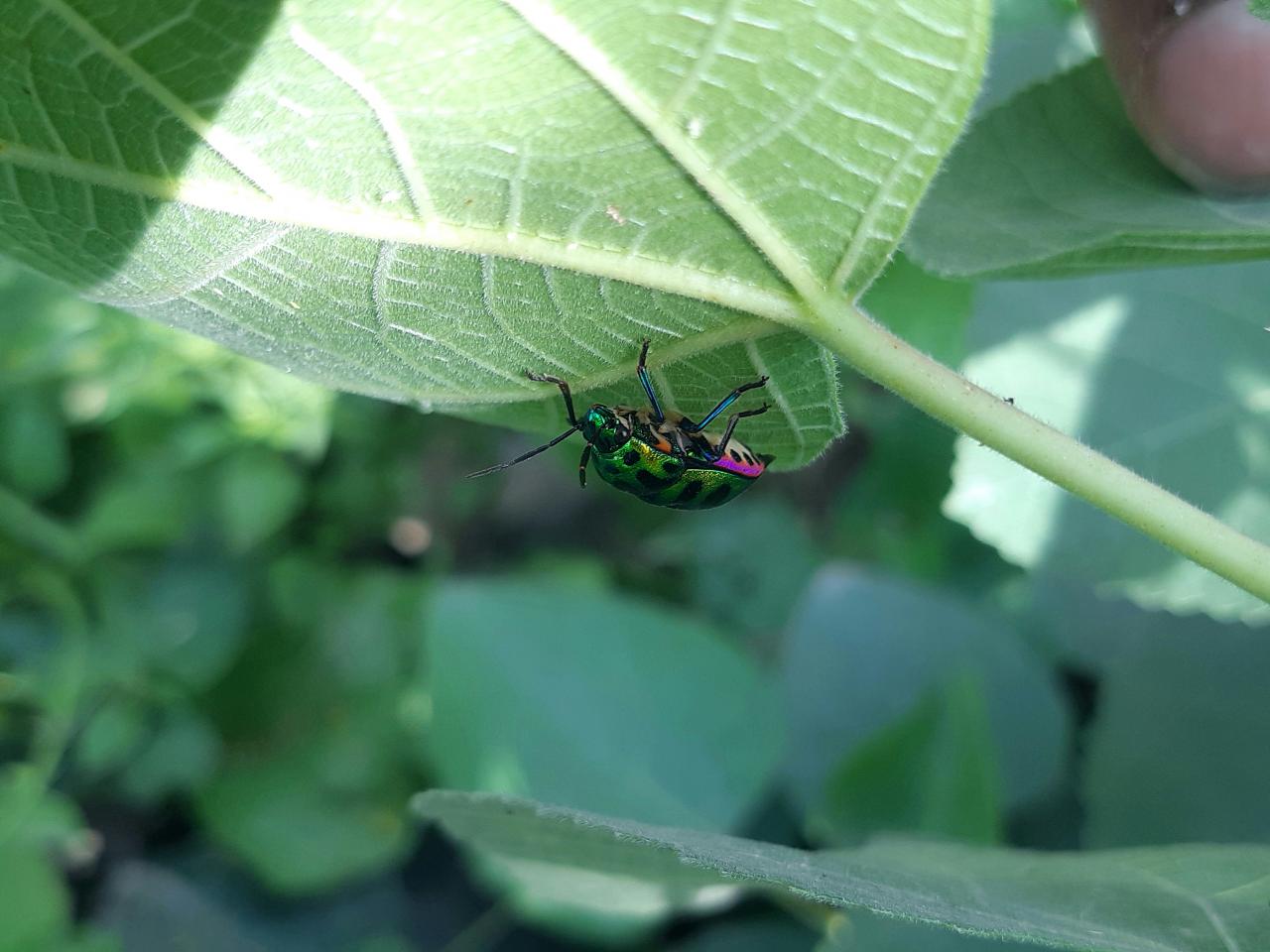
Biological crop protection inputs represent the future of sustainable farming. Growers who embrace organic methods unlock unmatched levels of soil health. Smart biological systems turn overwhelming environmental data into clear daily actions.
Your fields will respond with healthier plants and much heavier harvests. Sustainability and high profitability finally walk hand in hand together. The future of agriculture belongs to those who nurture living soils.
Every rural community prospers when technology empowers local organic growers. Modern tools eliminate old boundaries that once limited farm potential. Intelligent systems protect natural ecosystems for upcoming generations. Agriculture stands proudly at the forefront of biological innovation.

