

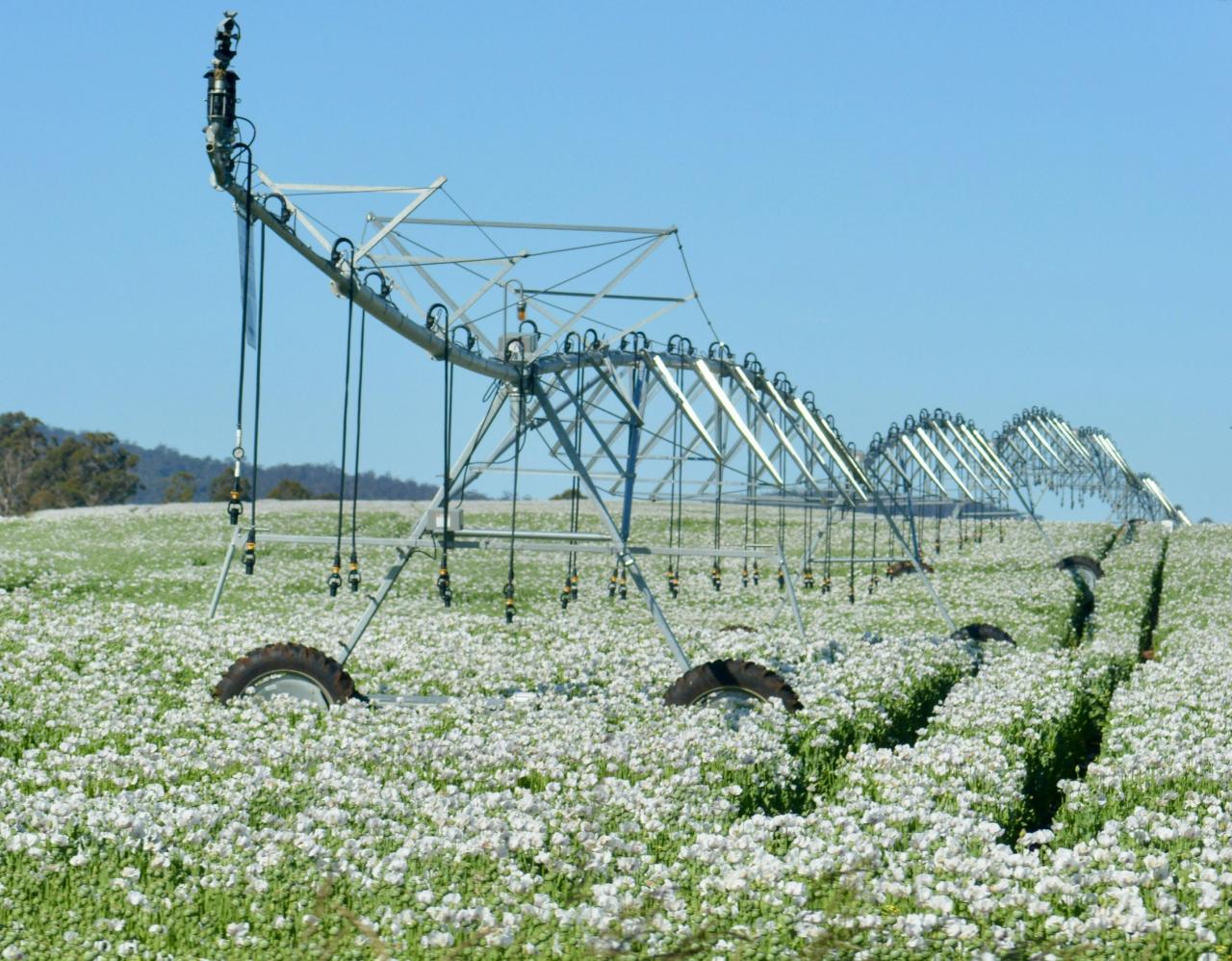
Farming in dry regions presents endless daily challenges for ambitious growers everywhere. Scorching sun rays evaporate precious ground moisture before roots can absorb it. Traditional flood watering techniques waste massive volumes of water across parched acreage.
Modern agriculture demands smart solutions to survive severe regional droughts. Precision irrigation systems deliver exact water droplets directly to plant roots. Smart controllers monitor soil tension levels to prevent wasteful over-saturation entirely.
Growers who adopt these advanced methods protect their valuable profit margins. Sustainable crop production becomes entirely possible even in arid desert zones. Every single drop counts when managing scarce regional water supplies.
Innovative technology bridges the gap between dry dirt and green abundance. Global populations demand sustainable food production without environmental degradation. Agricultural tech startups launch innovative tools every single month.
Smart machinery connects directly to cloud networks for instant updates. Rural communities experience economic booms through tech adoption. Every modern grower must adapt to survive changing markets. Future generations depend on the smart choices we make today.
Installing Subsurface Drip Irrigation Lines
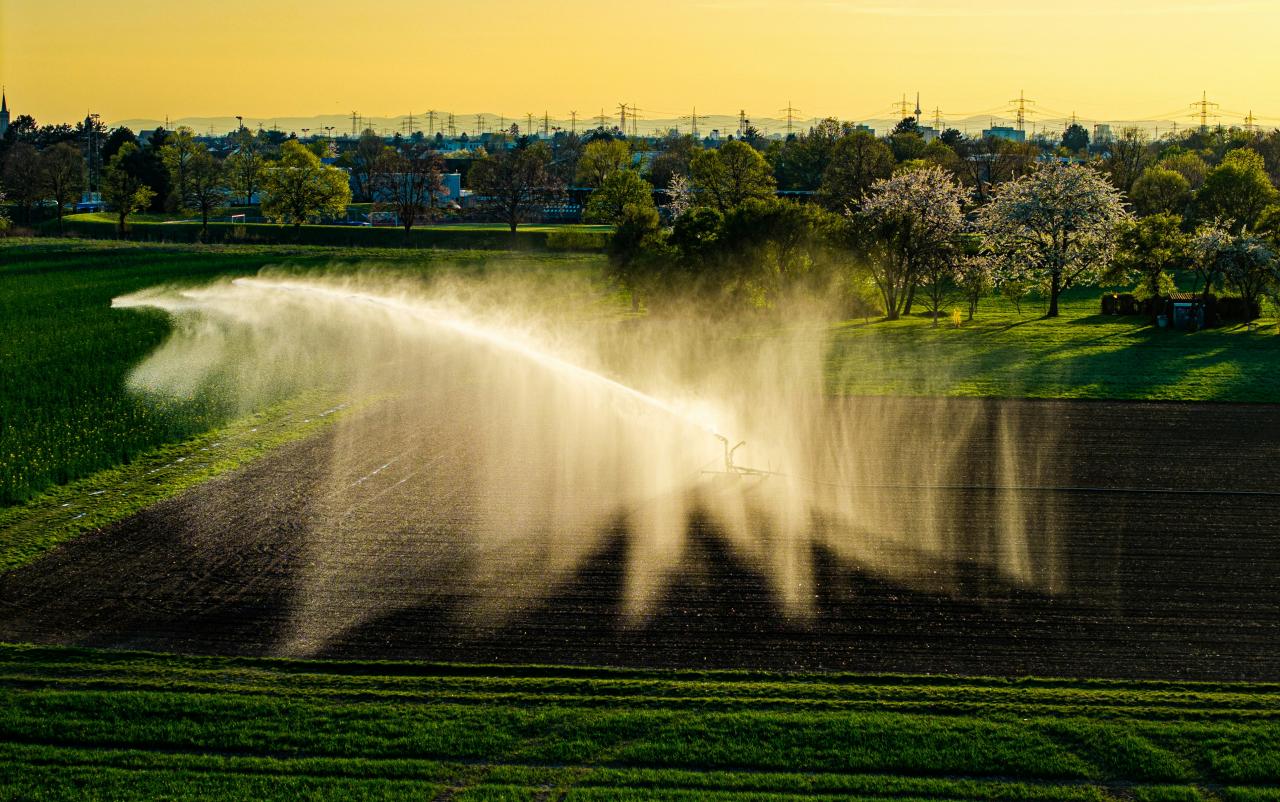
Surface evaporation steals a huge percentage of applied water in arid zones. Subsurface drip lines place moisture directly where root systems feed. Water flows slowly beneath the hot topsoil layer without losing a drop. Weed growth drops significantly because surface soil remains dry and inhospitable.
Farmers save countless hours previously spent battling invasive desert weeds. Local agricultural extensions provide baseline guidelines for deep burial depths. Early setup saves thousands of dollars in water utility fees.
Digital controllers mounted on pump stations regulate pressure continuously. Cloud servers process flow data within mere seconds of activation. Growers receive instant smartphone notifications about localized pipe blockages.
As a writer, I always stress that hiding your water pipes underground changes everything. Surface lines bake under harsh sunshine and crack within a single season. Burying your irrigation infrastructure protects plastic materials from damaging ultraviolet radiation.
You stop wasting money on constant pipe replacements and emergency patching jobs. Many growers ignore small leaks thinking they look harmless. Treating infrastructure early prevents widespread farm irrigation failures entirely.
Root systems grow deeper into cooler soil layers when guided downward. Plants anchor themselves securely against strong desert winds and dust storms.
Your overall crop resilience skyrockets under this underground watering approach. Beneficial earthworms thrive when toxic chemical runoffs decrease around roots. Sustainable practices attract eco-conscious consumers willing to pay premium prices.
A. Bury drip tape emitters safely beneath the active root zone. B. Flush lines monthly to prevent mineral clogging from hard water. C. Install pressure regulators to maintain uniform flow across long rows.
Leveraging Soil Moisture Sensors Wisely
Guessing when to irrigate leads straight to disastrous crop failure. Soil sensors measure underground moisture percentages with absolute mathematical precision. Wireless transmitters beam live data straight to your smartphone screen.
Farmers know exact soil hydration levels before stepping foot outside. You water crops only when biological stress thresholds demand immediate action. Underground sensors monitor water tension across multiple soil layers continuously.
Drought-resistant crop varieties pair exceptionally well with smart sensors. Farmers save countless hours previously spent manually checking field valves. Utility bills drop significantly when pumps stop running on blind schedules. Conservation efforts earn farms valuable government sustainability grants.
From my perspective, relying on calendar schedules causes massive water waste. Plants drink based on atmospheric heat and wind speed, not human dates.
Sensor-driven management treats each field section according to its unique needs. Water rights become stricter as municipal demands increase rapidly. Securing reliable water supplies ensures long-term agricultural survival.
Crops experience zero drought stress throughout their entire growth cycle. Harvest weights increase because plants never waste energy searching for moisture. Local watersheds recharge naturally because over-pumping stops completely.
Sustainable water management protects local aquatic habitats from depletion. Plants grow faster and produce much heavier fruit weights.
A. Place sensors at multiple depths to track deep moisture movement. B. Calibrate moisture probes regularly using standard laboratory benchmark tests. C. Link sensor triggers directly to automated valve control relays.
Maximizing Water Efficiency Through Mulching
Arid winds strip moisture away from topsoil faster than plants can drink. Applying organic or synthetic mulch blankets protects the underlying dirt completely. Soil temperatures drop several degrees under a thick protective organic cover.
Microbial life thrives in the shaded microclimate beneath the mulch layer. Worms and beneficial bacteria break down nutrients into accessible plant food. Local grain elevators pay top dollar for guaranteed delivery volumes.
Crop insurance companies offer lower rates for verified yield projections. Agricultural banks approve expansion loans much faster with reliable data. Supply chain partners schedule transport trucks without guessing game errors. Food waste drops drastically across the entire distribution pipeline.
I firmly believe that ignoring soil covering leaves half your water vulnerable. Bare dirt acts like a sponge sucking moisture upward into dry air.
Mulching creates a physical shield that locks vital hydration in place. Accurate numbers build immense trust between growers and corporate buyers. Strategic planning turns seasonal farming into a steady corporate enterprise.
Weed seeds cannot germinate easily when sunlight fails to reach them. Your labor costs drop because manual weeding chores virtually disappear forever. Soil erosion decreases dramatically during heavy, unpredictable desert rainstorms.
Consumers enjoy fresher produce because transit times drop significantly. Retailers maintain consistent stock levels without facing unexpected supply shortages.
A. Spread organic compost or straw thickly across plant rows. B. Lay black plastic sheeting down before planting commercial vegetable crops. C. Maintain mulch thickness consistently throughout the entire growing season.
Scheduling Irrigation During Cooler Hours
Pumping water during midday heat results in massive evaporative losses. Smart timers schedule irrigation cycles during the coolest pre-dawn hours. Water sinks deep into the root zone before morning sun strikes.
Plants absorb maximum hydration overnight and prepare for scorching daytime temperatures. Energy costs drop because utility companies offer cheaper rates during night hours. Direct-to-consumer digital platforms cut out expensive middleman brokers entirely.
Blockchain tracking proves organic growing claims to skeptical modern shoppers. Smart contracts execute payments instantly upon successful cargo delivery. Warehousing robots organize inventory pallets with zero human error. Global trade barriers shrink when digital documentation standards align.
In my view, timing your water delivery matters just as much as volume. Pumping at noon forces plants to battle thermal stress simultaneously.
Night watering gives your crops a peaceful, refreshing drink in cool quietness. Farmers deserve fair compensation for their hard physical labor. Mastering market software transforms humble growers into savvy digital executives.
Pumps operate under lower thermal strain during nighttime hours. Equipment lifespan extends significantly when machinery avoids peak summer heat stress. Your entire irrigation operation runs smoother, cheaper, and much more efficiently.
Employee satisfaction climbs higher when boring chores disappear completely. Small family farms compete successfully against massive corporate agriculture conglomerates.
A. Program automatic controllers to start cycles at midnight. B. Divide large fields into zones to maintain adequate water pressure. C. Monitor flow meters overnight to catch sudden pipe leaks early.
Conclusion
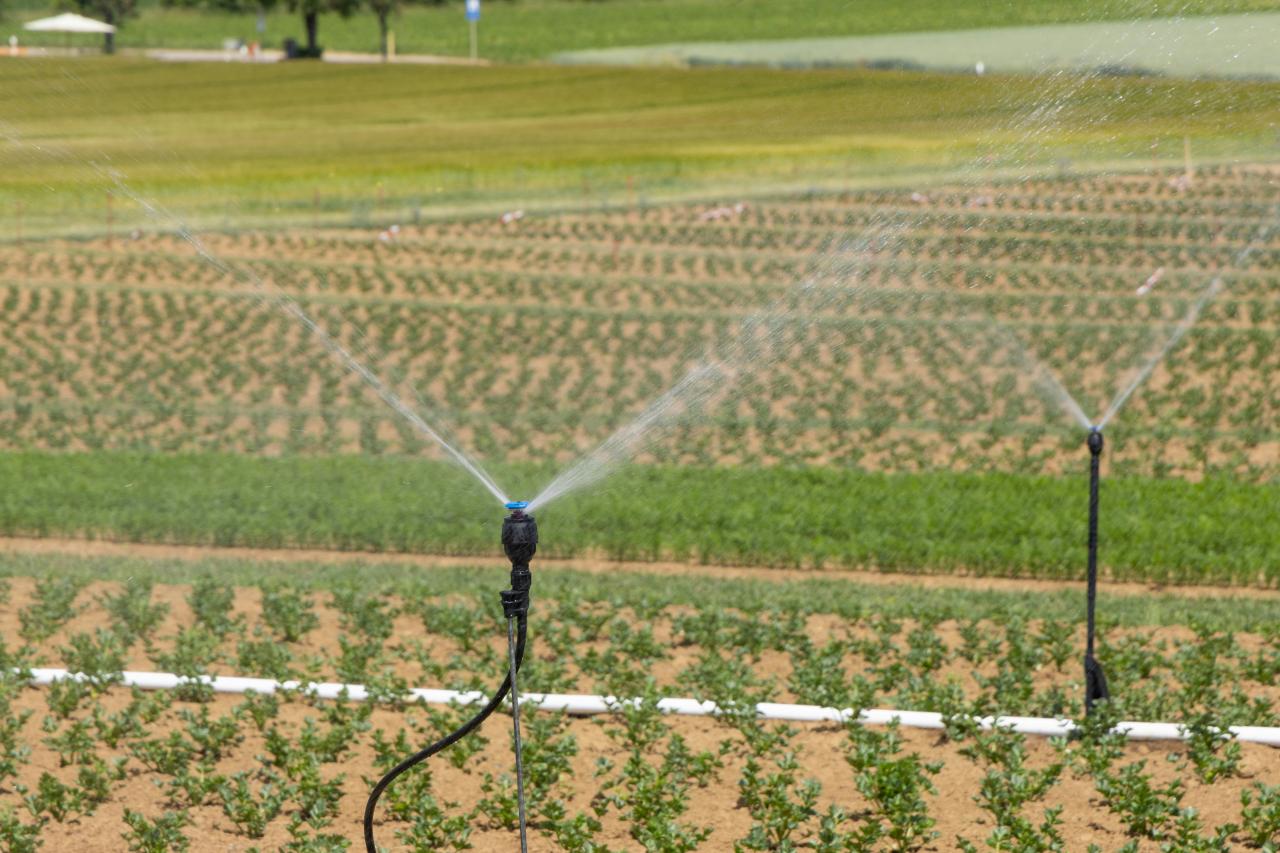
Arid farming requires smart adaptation and relentless technological optimization. Growers who embrace precision irrigation unlock unmatched levels of operational efficiency. Smart systems turn overwhelming environmental data into clear daily action steps.
Your fields will respond with healthier plants and much heavier harvests. Sustainability and high profitability finally walk hand in hand together. The future of desert agriculture belongs to those who measure precisely.
Every rural community prospers when technology empowers local growers. Modern tools eliminate old boundaries that once limited farm growth. Intelligent systems protect natural ecosystems for upcoming generations. Agriculture stands proudly at the forefront of digital innovation.

