

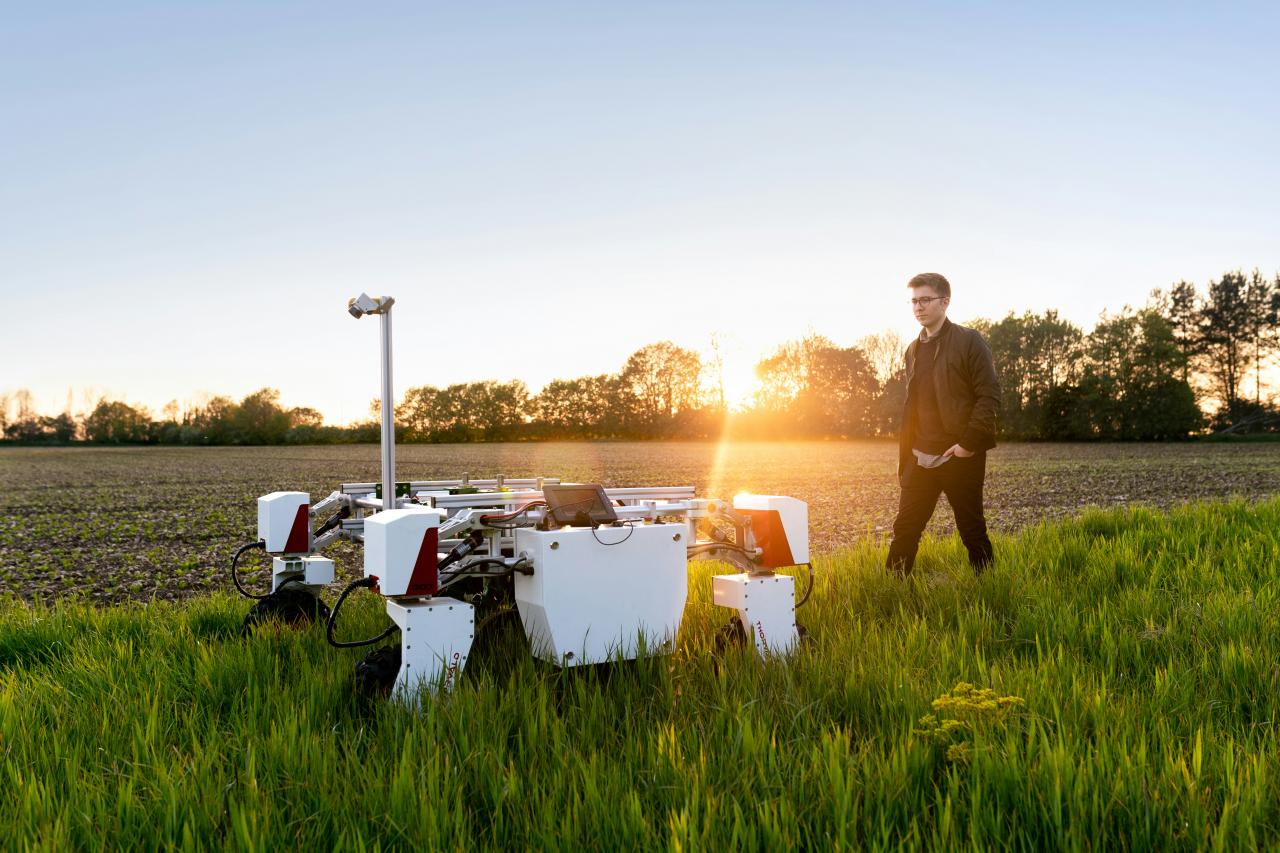
Modern farming faces intense pressure to produce massive food supplies with fewer resources. Traditional crop management methods often rely on guesswork and outdated historical data. Climate changes make rainfall unpredictable and throw ancient farming calendars completely out of whack.
Artificial intelligence steps into this chaos as a reliable digital savior. Growers now use smart computer systems to analyze massive fields instantly. Machine learning algorithms process weather patterns and soil health metrics seamlessly.
Farmers make sharper decisions every single morning before touching their tools. Crop yields climb higher while operational waste shrinks down to almost nothing. Technology turns ordinary dirt into a high-performing digital asset.
Global populations demand sustainable food production without environmental degradation. Agricultural tech startups launch innovative tools every single month. Smart machinery connects directly to cloud networks for instant updates.
Rural communities experience economic booms through tech adoption. Every modern grower must adapt to survive changing markets. Future generations depend on the smart choices we make today.
Predicting Crop Diseases Using Machine Learning
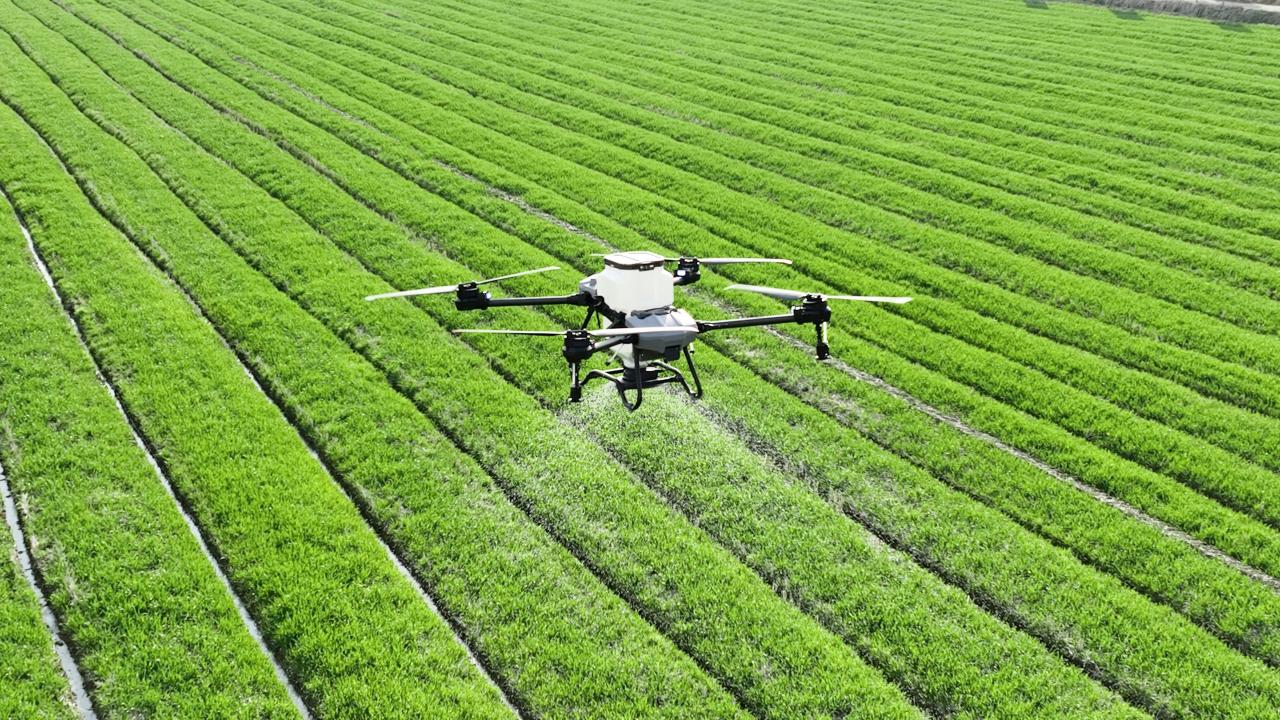
Plant diseases can wipe out an entire seasonal harvest in days. Fungal spores and bacterial blights spread quietly beneath green crop canopies. Artificial intelligence models spot tiny visual anomalies on leaf photos early. Farmers catch infections before symptoms become visible to the human eye.
Early detection stops massive crop loss across large acreage farms. Local agricultural extensions provide baseline image libraries for training models. Early warning systems save thousands of dollars in chemical treatments.
Digital cameras mounted on tractors scan plants continuously during passes. Cloud servers process these images within mere seconds of capture. Growers receive instant smartphone notifications about localized pathogen outbreaks.
As a writer, I always stress that waiting for obvious symptoms is a losing game. Microscopic damage happens long before yellow leaves appear on your plants.
Training your phone camera on suspicious foliage saves your livelihood. Many growers ignore early spots thinking they look harmless. Treating diseases early prevents widespread farm epidemics entirely.
Smart spraying systems target only infected plants instead of blanketing fields. Chemical usage drops dramatically while protecting surrounding beneficial insect populations.
Your local soil ecosystem stays healthy and balanced all year long. Beneficial earthworms thrive when toxic chemical runoffs decrease. Sustainable practices attract eco-conscious consumers willing to pay premium prices.
A. Capture high-resolution leaf photos using mobile phone apps. B. Train neural networks on local pest and disease datasets. C. Apply targeted treatments only to diagnosed plant zones.
Optimizing Water Usage With Neural Networks
Water scarcity threatens agricultural productivity in many dry global regions. Flood irrigation wastes enormous volumes of precious liquid every single day. Artificial intelligence calculates exact hydration needs based on live weather feeds.
Deep learning algorithms predict soil moisture evaporation rates with incredible precision. Irrigation pumps activate automatically only when root zones demand moisture. Underground sensors monitor water tension across multiple soil layers continuously.
Drought-resistant crop varieties pair exceptionally well with smart irrigation. Farmers save countless hours previously spent manually checking field valves. Utility bills drop significantly when pumps stop running on blind schedules. Conservation efforts earn farms valuable government sustainability grants.
From my perspective, viewing water as an infinite resource is a dangerous mistake. Smart irrigation shifts your mindset from routine watering to precise biological care.
Every single droplet counts when managing modern farm finances. Water rights become stricter as municipal demands increase rapidly. Securing reliable water supplies ensures long-term agricultural survival.
Crops experience zero drought stress throughout their entire growing cycle. Roots absorb nutrients more efficiently when moisture levels remain perfectly stable.
Plants grow faster and produce much heavier fruit weights. Local watersheds recharge naturally because over-pumping stops completely. Sustainable water management protects local aquatic habitats from depletion.
A. Install soil moisture sensors connected to local Wi-Fi networks. B. Feed local weather forecast data into smart irrigation controllers. C. Monitor daily water consumption rates via simple mobile dashboards.
Forecasting Yields With Predictive Analytics
Market planning requires accurate estimates of total harvest volume long beforehand. Old methods relied on gut feelings and rough mental calculations. Predictive analytics analyze historical yields alongside current weather and soil health.
Farmers know exact poundage expectations weeks before combine harvesters roll out. Accurate numbers give growers massive leverage during buyer price negotiations. Local grain elevators pay top dollar for guaranteed delivery volumes.
Crop insurance companies offer lower rates for verified yield projections. Agricultural banks approve expansion loans much faster with reliable data. Supply chain partners schedule transport trucks without guessing game errors. Food waste drops drastically across the entire distribution pipeline.
I firmly believe that guessing your harvest volume ruins profitable market timing. Selling crops too early or too late costs farmers millions annually.
Data-driven forecasting removes emotional panic from business decision-making. Accurate numbers build immense trust between growers and corporate buyers. Strategic planning turns seasonal farming into a steady corporate enterprise.
Storage facilities prepare adequate space without wasting money on empty rentals. Transport logistics run smoothly because trucks arrive exactly when crops ripen.
Your entire supply chain operates like a well-oiled machine. Consumers enjoy fresher produce because transit times drop significantly. Retailers maintain consistent stock levels without facing unexpected supply shortages.
A. Input historical yield data into cloud-based analytics platforms. B. Track ongoing growth metrics using satellite and drone imagery. C. Adjust harvest schedules based on real-time market price forecasts.
Automating Supply Chain And Market Pricing
Harvesting crops is only half the battle for modern producers. Getting produce to grocery shelves quickly prevents costly spoilage losses. Artificial intelligence monitors consumer demand trends across global food markets. Smart logistics software routes delivery trucks past traffic jams effortlessly.
Price fluctuations trigger automated selling alerts for farm business owners. Direct-to-consumer digital platforms cut out expensive middleman brokers entirely. Blockchain tracking proves organic growing claims to skeptical modern shoppers.
Smart contracts execute payments instantly upon successful cargo delivery. Warehousing robots organize inventory pallets with zero human error. Global trade barriers shrink when digital documentation standards align.
In my view, great farming skills mean nothing without smart market execution. Growing massive yields is useless if crops rot in storage sheds. Digital automation bridges the gap between dirty fields and profitable markets.
Farmers deserve fair compensation for their hard physical labor. Mastering market software transforms humble growers into savvy digital executives.
Administrative paperwork shrinks from hours of headaches to quick taps. Business owners spend time expanding operations instead of crunching numbers manually. Modern agricultural enterprises thrive when technology handles tedious backend tasks.
Employee satisfaction climbs higher when boring chores disappear completely. Small family farms compete successfully against massive corporate agriculture conglomerates.
A. Sync inventory databases with live supermarket demand feeds. B. Route delivery trucks using real-time traffic avoidance software. C. Set automated price alerts for optimal grain and produce selling.
Conclusion
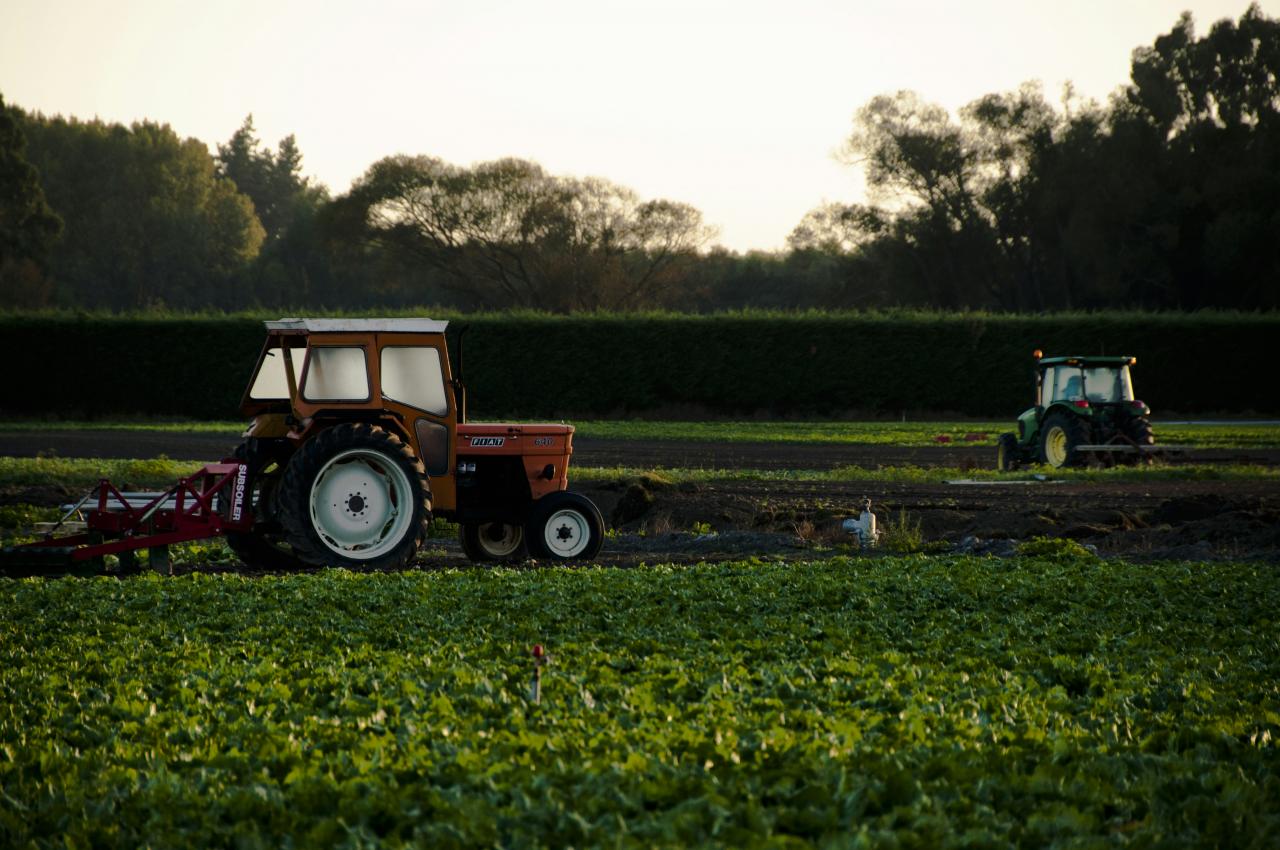
Artificial intelligence transforms traditional farming into a precise high-tech science. Growers who embrace machine learning tools unlock unprecedented levels of operational efficiency. Smart algorithms turn overwhelming environmental data into clear daily action steps.
Your fields will respond with healthier plants and much heavier harvests. Sustainability and high profitability finally walk hand in hand together. The future of agriculture belongs to those who analyze data intelligently. Every rural community prospers when technology empowers local growers.
Modern tools eliminate old boundaries that once limited farm growth. Intelligent systems protect natural ecosystems for upcoming generations. Agriculture stands proudly at the forefront of digital innovation.

