

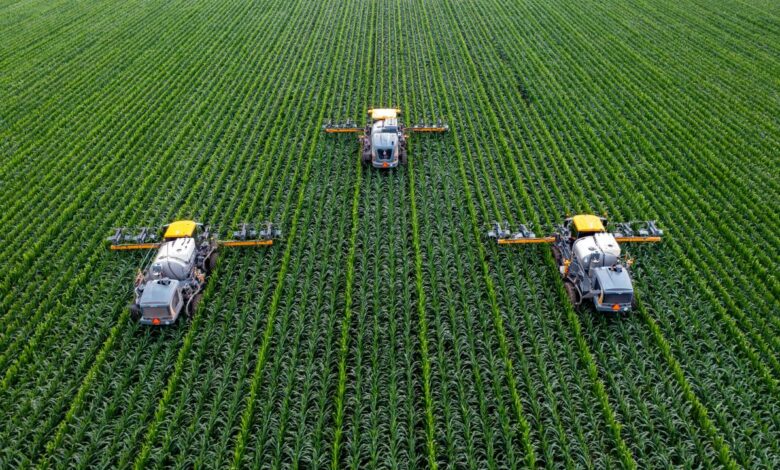
The global agricultural sector is currently facing an unprecedented set of challenges that require a total reimagining of how we grow our food. For centuries, farming relied on traditional wisdom and broad-scale applications of water and chemicals that often ignored the subtle variations within a single field. Today, the rise of precision agriculture has introduced a data-driven revolution that allows farmers to treat every square meter of land as a unique environment. This shift is essential as we move toward a future where a growing population must be fed using fewer natural resources and less arable land. Precision agriculture utilizes a sophisticated network of satellites, sensors, and artificial intelligence to monitor crop health in real-time.
By applying the right amount of input at the right time and in the right place, we can significantly reduce waste and environmental impact. This technology is no longer a futuristic concept for large-scale industrial farms; it is becoming a necessary tool for survival in a volatile climate. Understanding these advanced systems is the key to creating a sustainable and resilient food supply for the entire planet. This article will explore the core technologies and strategies that are defining the next era of high-efficiency farming.
The Role of IoT and Soil Sensor Networks
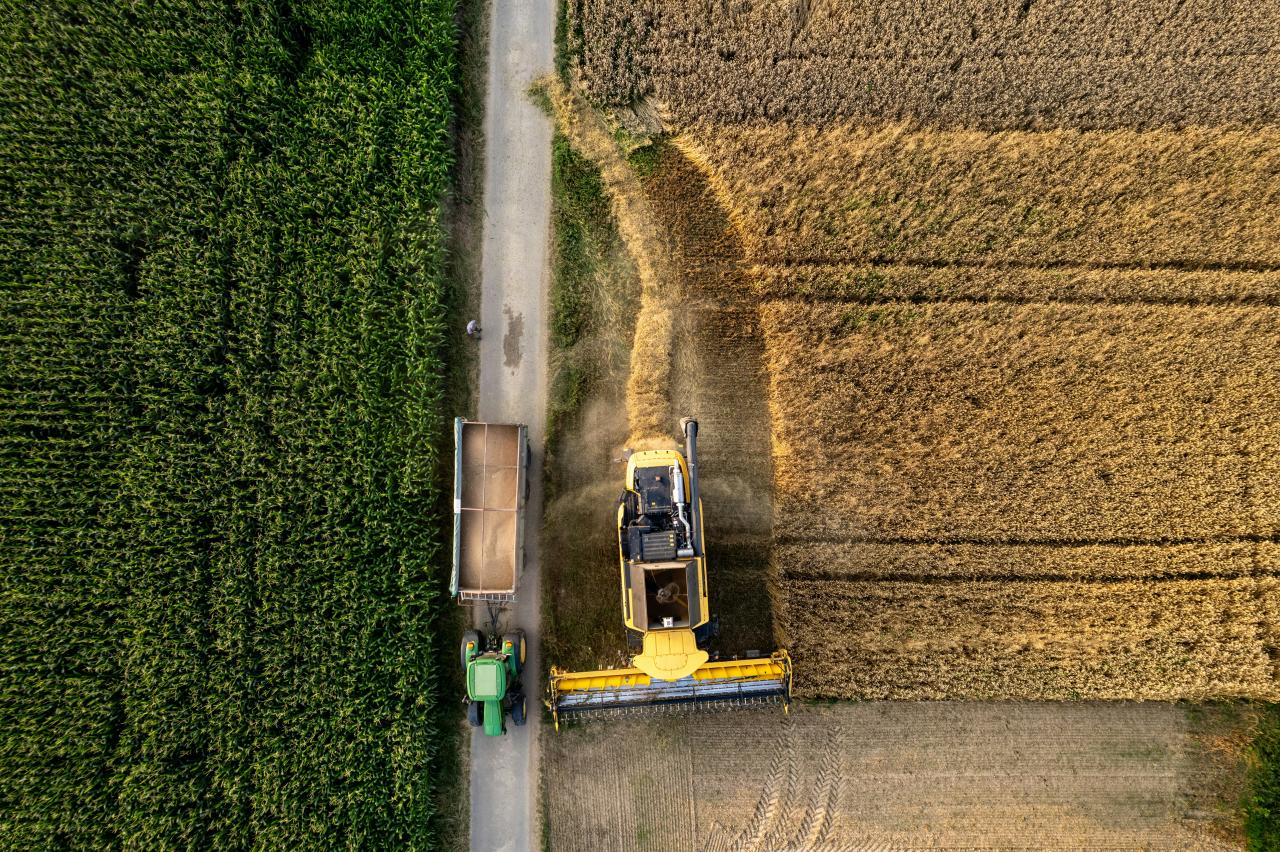
The foundation of any precision farming operation is the ability to gather accurate data from the ground up. Internet of Things (IoT) sensors are now being deployed across fields to measure soil moisture, temperature, and nutrient levels continuously. These devices eliminate the guesswork involved in irrigation and fertilization by providing a digital “pulse” of the farm. Instead of watering the entire field based on a schedule, farmers can now target only the areas that are actually dry. This level of granular control is the first step in maximizing the efficiency of every acre.
A. Capacitance Sensors for Moisture Tracking
These sensors measure the dielectric constant of the soil to determine the exact water content available to the roots. By preventing over-irrigation, farmers can save millions of gallons of water while avoiding the root rot associated with saturated soil.
B. Electrochemical Sensors for Nutrient Mapping
Modern sensors can detect the levels of nitrogen, phosphorus, and potassium (NPK) in the soil without the need for manual lab testing. This allows for a “Variable Rate Application” of fertilizers, ensuring that hungry plants get fed while preventing excess chemicals from leaching into local water sources.
C. Soil Salinity and pH Monitoring
Keeping the soil at an optimal pH level is crucial for nutrient uptake and overall plant health. IoT devices provide constant feedback on soil chemistry, allowing for immediate corrective actions like liming or specialized drainage.
Satellite Imagery and Drone Surveillance
While sensors monitor what is happening underground, aerial technology provides a birds-eye view of crop performance across vast distances. Satellites and unmanned aerial vehicles (UAVs), commonly known as drones, use multispectral cameras to “see” things that the human eye cannot. They can detect changes in chlorophyll levels and plant stress weeks before the damage becomes visible to a person walking the field. This early warning system allows for surgical interventions that save entire harvests from pests or disease outbreaks. Integrating aerial data with ground sensors creates a comprehensive digital twin of the farm.
A. Normalized Difference Vegetation Index (NDVI)
NDVI is a graphical indicator that uses the visible and near-infrared light reflected by vegetation to assess plant “greenness” and vigor. High NDVI values indicate healthy, productive plants, while low values can signal drought, pest infestation, or nutrient deficiency.
B. Thermal Imaging for Water Stress
Drones equipped with thermal cameras can identify plants that are struggling with heat stress by measuring their surface temperature. This helps farmers fine-tune their irrigation systems to ensure that the coolest, most hydrated plants are the standard across the entire field.
C. High-Resolution Mapping for Stand Counts
During the early stages of the growing season, drones can quickly count every individual plant in a field to assess emergence rates. This data helps farmers decide if they need to replant certain areas or adjust their yield expectations for the year.
AI-Driven Predictive Analytics and Decision Support
Data is only valuable if it can be turned into actionable insights, and that is where Artificial Intelligence (AI) comes into play. Machine learning algorithms can process petabytes of historical weather data, soil records, and satellite images to predict future outcomes. These systems act as a “digital agronomist” that can recommend the best planting dates and the most resilient seed varieties for a specific location. AI reduces the cognitive load on the farmer by filtering out the noise and highlighting the most critical issues. It transforms farming from a reactive struggle against nature into a proactive management science.
A. Yield Prediction Models
AI can forecast the total harvest weight months in advance by analyzing current growth patterns against historical benchmarks. This helps farmers secure better prices in the commodity markets and plan their logistics more effectively.
B. Pest and Disease Forecasting
By monitoring local weather patterns and humidity levels, AI can predict the likelihood of a specific fungal outbreak or insect migration. Farmers can then apply organic or chemical protections only when the risk is highest, drastically reducing the total volume of pesticides used.
C. Autonomous Machinery Coordination
Self-driving tractors and harvesters use AI to navigate fields with centimeter-level precision. This eliminates “overlap,” where the same area is sprayed or tilled twice, which saves fuel and reduces the physical compaction of the soil.
Smart Irrigation and Water Management Systems
Water is the most precious resource in agriculture, and precision systems are designed to use every drop with maximum efficiency. Smart irrigation systems integrate weather forecasts with real-time soil data to automate the watering process. If the system knows it is going to rain in four hours, it will skip the morning irrigation cycle to save water and prevent runoff. These systems are often connected to drip irrigation setups that deliver moisture directly to the base of the plant. This targeted approach ensures that weeds do not get the water they need to compete with the primary crop.
A. Evapotranspiration (ET) Controllers
These controllers calculate the amount of water lost by the soil and the plant through evaporation and transpiration. They then replace only the exact amount of water that was lost, keeping the ecosystem in a perfect state of equilibrium.
B. Subsurface Drip Irrigation (SDI)
By burying irrigation lines beneath the surface, farmers can eliminate water loss through evaporation and wind drift. SDI systems are incredibly efficient and can be used to deliver liquid fertilizers directly to the root zone in a process known as “fertigation.”
C. Automated Weather Station Integration
On-site weather stations provide hyper-local data on wind speed, solar radiation, and humidity. This allows the irrigation system to adjust its pressure and timing based on the micro-climate of that specific farm rather than a general regional forecast.
Robotic Harvesting and Labor Automation
The agricultural industry is currently facing a severe labor shortage, which has led to a surge in the development of harvesting robots. These machines use computer vision and soft-robotic “hands” to pick delicate fruits and vegetables without bruising them. Unlike human workers, robots can operate twenty-four hours a day and provide consistent performance regardless of the weather. As the technology matures, these robots are becoming more affordable and accessible to medium-sized farming operations. Automation is not just about replacing labor; it is about ensuring that no food goes to waste due to a lack of harvesters.
A. Computer Vision for Ripeness Detection
Harvesting robots use AI to analyze the color, size, and shape of a fruit to determine if it is ready for market. This ensures that only the best produce is picked, which increases the shelf life and the market value of the harvest.
B. Autonomous Weeding Robots
Instead of using broad-spectrum herbicides, these small robots roam the fields and use lasers or mechanical pullers to kill weeds individually. This “chemical-free” weeding is a major step forward for organic farming at a large scale.
C. Automated Sorting and Packaging
Once the crops are picked, integrated systems can sort them by weight and quality before they even leave the farm. This reduces the time it takes for food to travel from the field to the grocery store, ensuring maximum freshness for the consumer.
Data Security and the Future of Farm Management
As farms become more digital, the security and ownership of agricultural data have become major topics of discussion. Precision agriculture generates a massive amount of “intellectual property” regarding the productivity of a piece of land. Farmers need to ensure that their data is protected from cyber threats and that they maintain control over who can access their records. The future of farm management lies in “Open Data” platforms that allow different pieces of equipment and software to communicate seamlessly. This interoperability is essential for creating a truly integrated and efficient global food system.
A. Blockchain for Supply Chain Traceability
Blockchain technology can record every step of a crop’s journey, from the seed type to the specific date it was harvested. This provides consumers with total transparency and allows for fast, targeted recalls if a food safety issue is ever detected.
B. Edge Computing for Real-Time Processing
By processing data locally on the farm rather than in a distant cloud server, edge computing allows for near-instantaneous reactions. This is vital for autonomous vehicles that need to make split-second decisions to avoid obstacles or adjust to changing soil conditions.
C. Cybersecurity for Smart Infrastructure
Protecting connected irrigation pumps and autonomous tractors from hacking is a top priority for modern agritech providers. Robust encryption and multi-factor authentication are becoming standard features in the latest generation of farm management software.
Conclusion
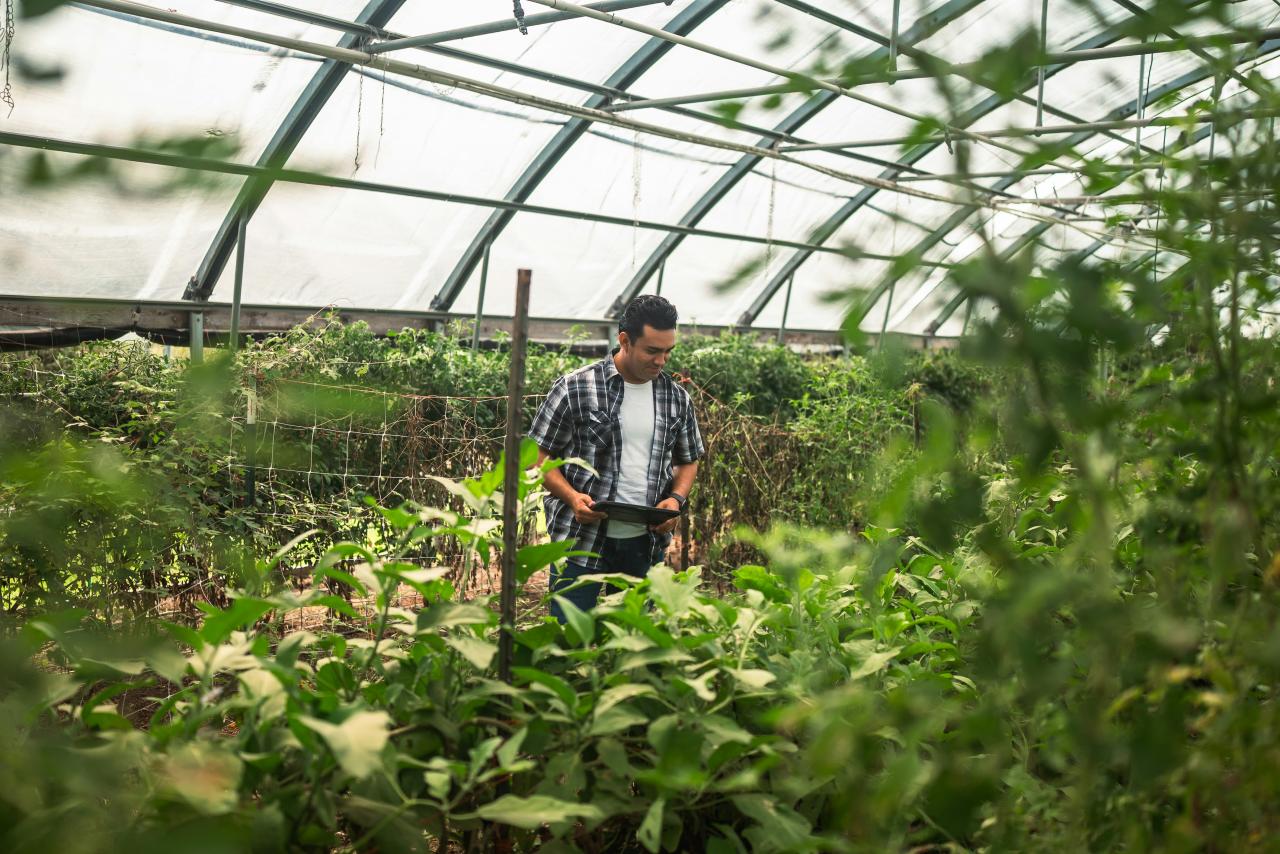
Precision agriculture is the most significant technological leap in the history of food production. The integration of ground sensors and aerial data has removed the uncertainty from modern farming. Artificial intelligence provides the brainpower needed to manage complex ecological variables at scale. Water conservation through smart irrigation is essential for the future of our thirsty planet. Robotics and automation are solving the labor crisis while increasing the quality of our produce.
Sustainability and profitability are no longer at odds thanks to these efficient technologies. The data generated by these systems belongs to the farmer and must be protected fiercely. Traceability through blockchain ensures that our global food supply remains safe and transparent. Innovation in the field is the only way to meet the demands of a growing global population. The future of farming is not just about working harder but about working much smarter.