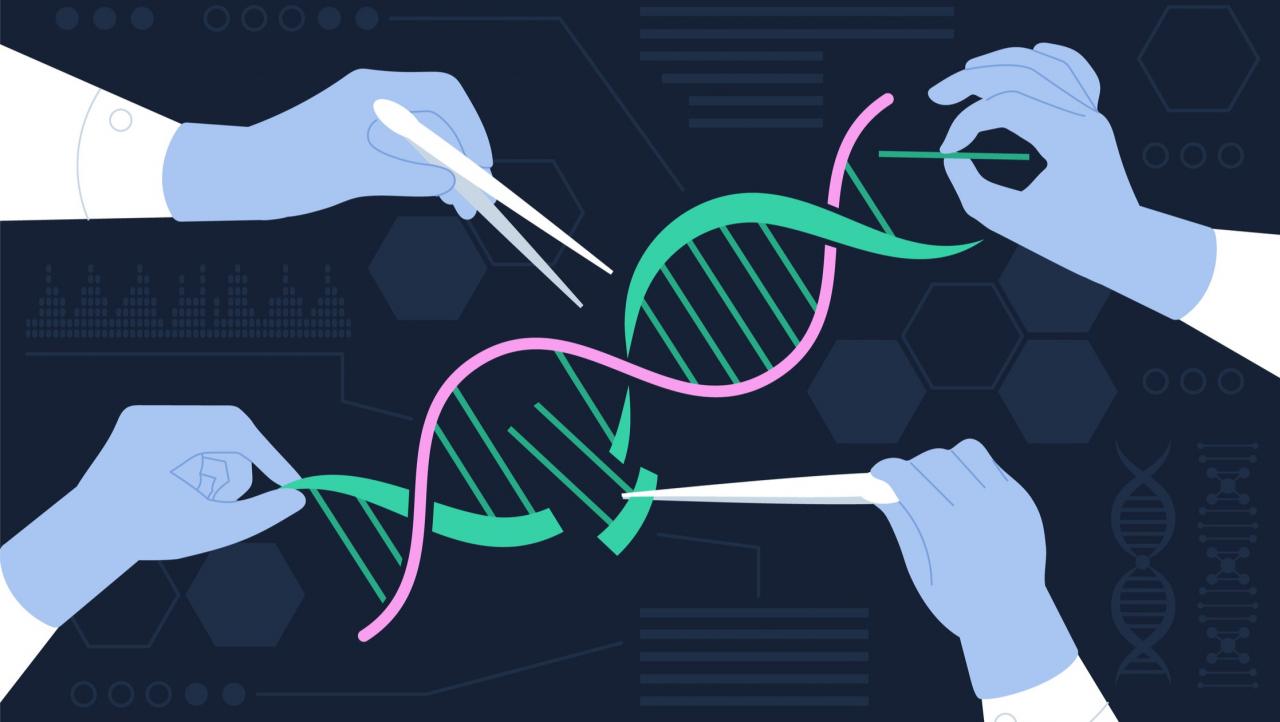
The field of genetic engineering is currently moving at a speed that was once reserved for the pages of science fiction novels. For many decades, humanity looked at the genetic code as a permanent blueprint that we could only observe but never truly modify with precision.
This traditional era of medicine focused on treating symptoms rather than correcting the fundamental biological errors hidden deep within our cellular structures. However, the emergence of advanced gene-editing tools like CRISPR-Cas9 and base editing now allows scientists to rewrite the very instructions of life itself.
This transition represents a monumental shift from reactive healthcare to a new world of predictive and curative biological programming. We are entering an era where inherited diseases might soon become a thing of the past as we learn to “debug” the human genome.
This innovation addresses the critical challenge of chronic illness by targeting the molecular root of the problem before it can manifest into a life-threatening condition. By integrating artificial intelligence with synthetic biology, we can now design custom proteins and specialized cells to fight cancer more effectively than ever before.
This article explores the most exciting future breakthroughs in genetic science and how they will fundamentally transform the human experience for generations to come.
Precision Medicine and Targeted Gene Therapies
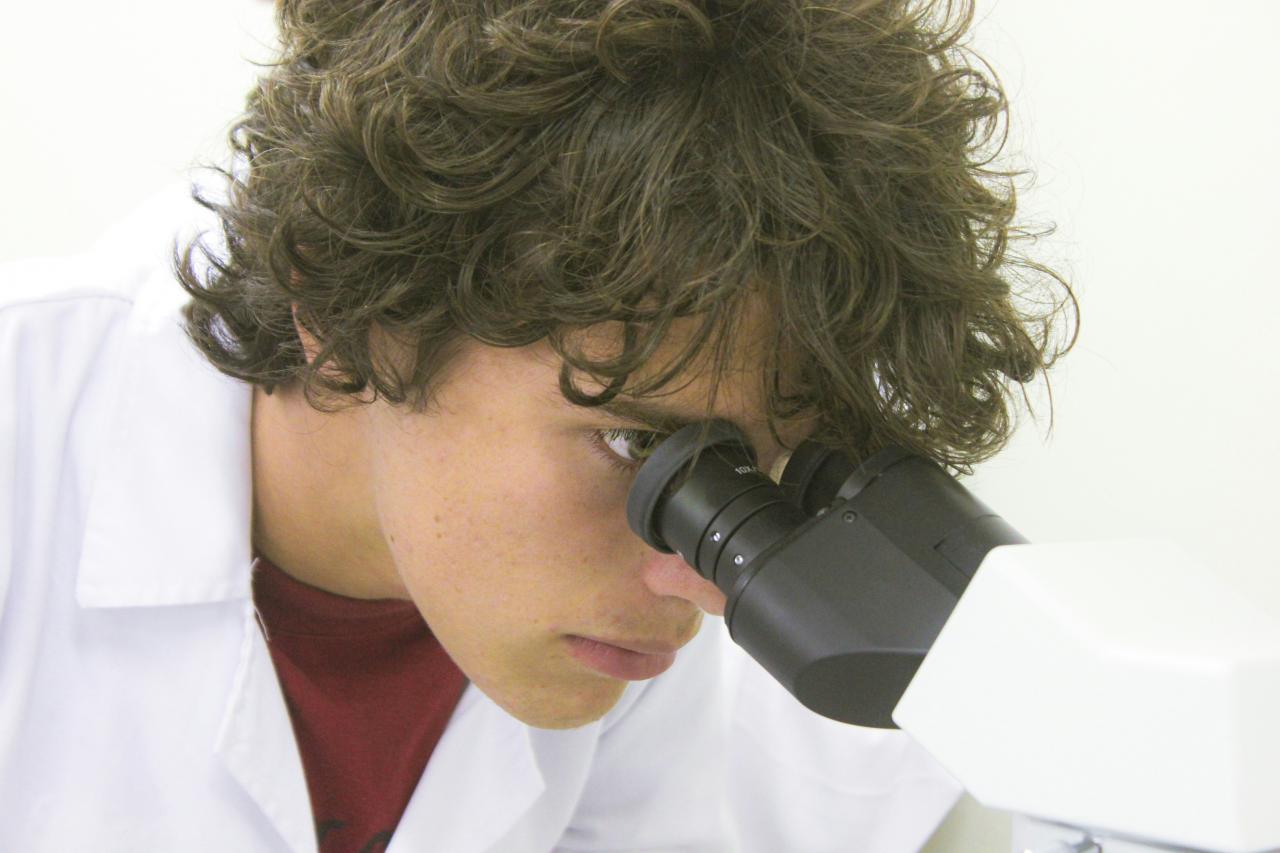
Precision medicine uses a person’s unique genetic profile to select the best possible treatment for their specific condition. Instead of a “one-size-fits-all” approach, doctors can now look at your DNA to predict how you will respond to certain medications or therapies.
I believe that “genetic personalization” is the only way to truly eliminate the dangerous side effects often associated with traditional pharmaceutical drugs.
You solve the problem of medical trial-and-error by using your own biological data to craft a healing roadmap that works specifically for you. This perspective allows patients to receive the most effective care on the very first try, saving precious time and resources during critical health battles.
A. Direct Correction of Monogenic Disorders
Scientists are developing therapies that can permanently fix a single mutated gene responsible for diseases like cystic fibrosis or sickle cell anemia.
By delivering a healthy copy of the gene or repairing the broken one, we can offer a lifetime of relief with just a single treatment session. This approach moves beyond managing a lifelong illness and toward a definitive and permanent cure that restores full health to the patient.
B. The Evolution of Viral Vector Delivery Systems
To get these new genetic tools into the right cells, researchers are engineering harmless viruses that act as biological delivery trucks.
These upgraded vectors can target specific organs like the heart or the liver with incredible accuracy, avoiding healthy tissues where they aren’t needed.
This precision ensures that the therapy reaches its destination safely and performs its job without causing unnecessary inflammation or immune responses in the body.
C. RNA-Based Therapeutics and Beyond Vaccines
The success of mRNA technology in recent years has opened the door for treatments that can tell our cells to produce specific healing proteins.
This technology can be used to treat everything from rare metabolic disorders to chronic heart disease by temporarily modifying cellular behavior. It provides a flexible and fast-moving platform that can be updated quickly as our understanding of different diseases continues to grow.
Agricultural Revolution Through Genomic Modification
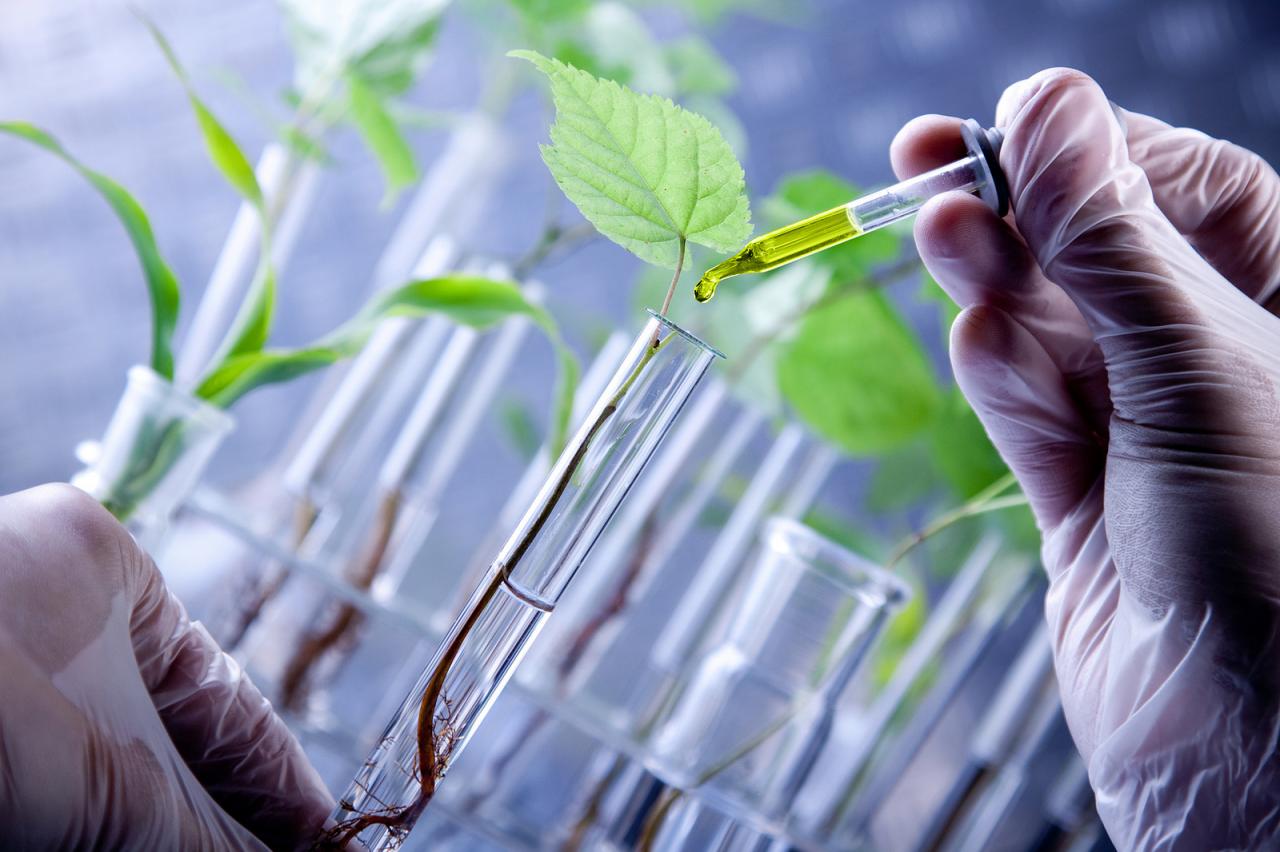
Genetic engineering is not just for humans; it is also the key to creating a more sustainable and resilient global food supply. Modern scientists are developing crops that can thrive in harsh climates, resist pests without chemicals, and provide more vitamins to the people who eat them.
My new perspective is that “nutritional fortification” is the most ethical way to fight global hunger and hidden malnutrition in developing nations.
You solve the problem of food insecurity by designing plants that produce higher yields even when the soil quality is poor or the water is scarce. This perspective turns the humble farm into a high-tech laboratory that can feed a growing global population without destroying the planet’s remaining natural resources.
A. Drought-Tolerant and Climate-Resilient Crops
By identifying genes that allow desert plants to survive, researchers are transferring those traits to essential food staples like wheat, rice, and corn.
This ensures that farmers can still produce a harvest even during record-breaking heatwaves or long periods of drought. It provides a vital safety net for the global food market, preventing the sudden price spikes that lead to economic instability and famine.
B. Enhancing Photosynthetic Efficiency for Massive Growth
Some researchers are working to “upgrade” the process of photosynthesis, allowing plants to convert sunlight into energy much more efficiently.
This could lead to a massive increase in biomass and food production without needing to clear more forests for agricultural land. It is like giving every plant a more powerful engine, allowing it to grow faster and stronger while absorbing more carbon dioxide from the atmosphere.
C. Natural Pest Resistance and Chemical Reduction
Genetically engineering plants to produce their own natural defenses against insects reduces the need for toxic chemical pesticides.
This protects the health of the farmers, the surrounding wildlife, and the final consumer who eats the produce. It creates a cleaner and more balanced agricultural ecosystem where nature and technology work together to produce the healthiest possible food for everyone.
The Rise of Synthetic Biology and Bio-Manufacturing
Synthetic biology involves designing and constructing new biological parts and systems that do not exist in the natural world. This field is turning microorganisms like yeast and bacteria into tiny “living factories” that can produce everything from silk to sustainable jet fuel.
I suggest that “biological manufacturing” is the next industrial revolution that will replace our current reliance on heavy industry and fossil fuels.
You solve the problem of environmental pollution by using carbon-neutral biological processes to create the materials we use in our daily lives. This perspective allows us to grow our future products in a vat rather than mining them from the earth or drilling for oil in fragile ecosystems.
A. Microbial Production of Life-Saving Medicines
Genetically modified bacteria can now produce insulin, growth hormones, and even complex cancer drugs in massive quantities at a very low cost.
This makes essential medicines more affordable and accessible to people in every corner of the world, regardless of their wealth. It removes the bottlenecks in global medicine supply chains, ensuring that life-saving treatments are always available when they are needed most.
B. Bio-Engineered Sustainable Materials and Textiles
Companies are now using modified fungi and bacteria to grow leather-like materials and strong spider silk for the fashion and automotive industries.
These materials are fully biodegradable and require much less water and land than traditional animal-based or synthetic fabrics. This shift toward “living materials” allows us to enjoy high-quality products without the ethical and environmental baggage of traditional manufacturing methods.
C. Carbon Sequestration Through Engineered Organisms
Scientists are designing specialized algae and microbes that can capture carbon dioxide from the air and turn it into useful solids or fuels.
This technology could play a massive role in reversing the effects of climate change by actively removing greenhouse gases from the environment. It turns the problem of carbon pollution into a valuable resource that can power our homes and vehicles in a circular and sustainable economy.
Eradicating Vector-Borne Diseases with Gene Drives
Gene drive technology allows scientists to spread a specific genetic trait through an entire population of wild animals, such as mosquitoes. This can be used to make mosquitoes unable to carry malaria or to prevent them from reproducing altogether in certain areas.
My perspective is that “ecological engineering” is a powerful tool that we must use with extreme care and deep ethical consideration. You solve the problem of deadly tropical diseases by targeting the carriers rather than just treating the human victims after they become sick.
This perspective offers the hope of a world where children no longer die from simple mosquito bites, which is one of the greatest humanitarian goals of our time.
A. Breaking the Cycle of Malaria and Dengue Transmission
By modifying the gut of a mosquito, researchers can make it impossible for the malaria parasite to survive long enough to be passed to a human.
This strategy could save hundreds of thousands of lives every year without needing to spray massive amounts of toxic chemicals over entire villages. It provides a permanent and self-sustaining solution to some of the most stubborn public health challenges on the planet today.
B. Controlling Invasive Species in Fragile Ecosystems
Gene drives can also be used to manage invasive pests that destroy local biodiversity, such as rats on remote islands.
By ensuring that only male offspring are born, the invasive population naturally declines and eventually disappears, allowing the native wildlife to recover. This is a targeted and humane alternative to using mass poisons that often kill the very animals we are trying to protect.
C. The Ethical Framework and Global Governance
Because gene drives can cross international borders, the world must work together to create rules and safeguards for their use.
Scientists are developing “reversal drives” that can undo a genetic change if it has unintended consequences on the environment. This commitment to safety and transparency ensures that we can enjoy the benefits of this technology while minimizing the risks to our shared global ecosystem.
Organ Bio-Printing and Regenerative Breakthroughs
One of the most profound goals of genetic engineering is the ability to grow or print replacement organs for patients on waiting lists. By using a patient’s own stem cells, scientists can avoid the risk of organ rejection and the need for lifelong immunosuppressant drugs.
I believe that “biological replacement” will eventually make the concept of a “chronic organ failure” obsolete for most people. You solve the problem of organ shortages by manufacturing exactly what the patient needs on a specialized 3D printer.
This perspective turns human health into a maintainable system where worn-out parts can be replaced with new, genetically identical versions of themselves.
A. 3D Bio-Printing with Living Cell Scaffolds
Bio-printers use a “bio-ink” made of living cells to build complex structures like heart valves, skin grafts, and even kidneys.
These printed tissues are integrated with the patient’s own blood vessels, allowing them to function just like the original organ. It represents the ultimate fusion of engineering and biology, providing a new lease on life for people who have no other options.
B. Xenotransplantation and Humanized Animal Organs
Geneticists are editing the DNA of pigs to make their organs more compatible with the human immune system. By removing the specific markers that trigger rejection, we can use these organs as a bridge or a permanent solution for people in desperate need of a heart or kidney.
This breakthrough could provide an almost unlimited supply of life-saving organs, ending the tragic wait that currently costs many lives every day.
C. Stem Cell Reprogramming and In-Situ Repair
New techniques allow scientists to turn a patient’s own skin cells back into “blank slate” stem cells that can become any tissue in the body.
These cells can then be injected into damaged areas, like a scarred heart or a failing liver, to trigger natural regeneration and repair. It is like giving the body a fresh supply of building blocks to fix itself from the inside out, without the need for invasive surgery.
Conclusion
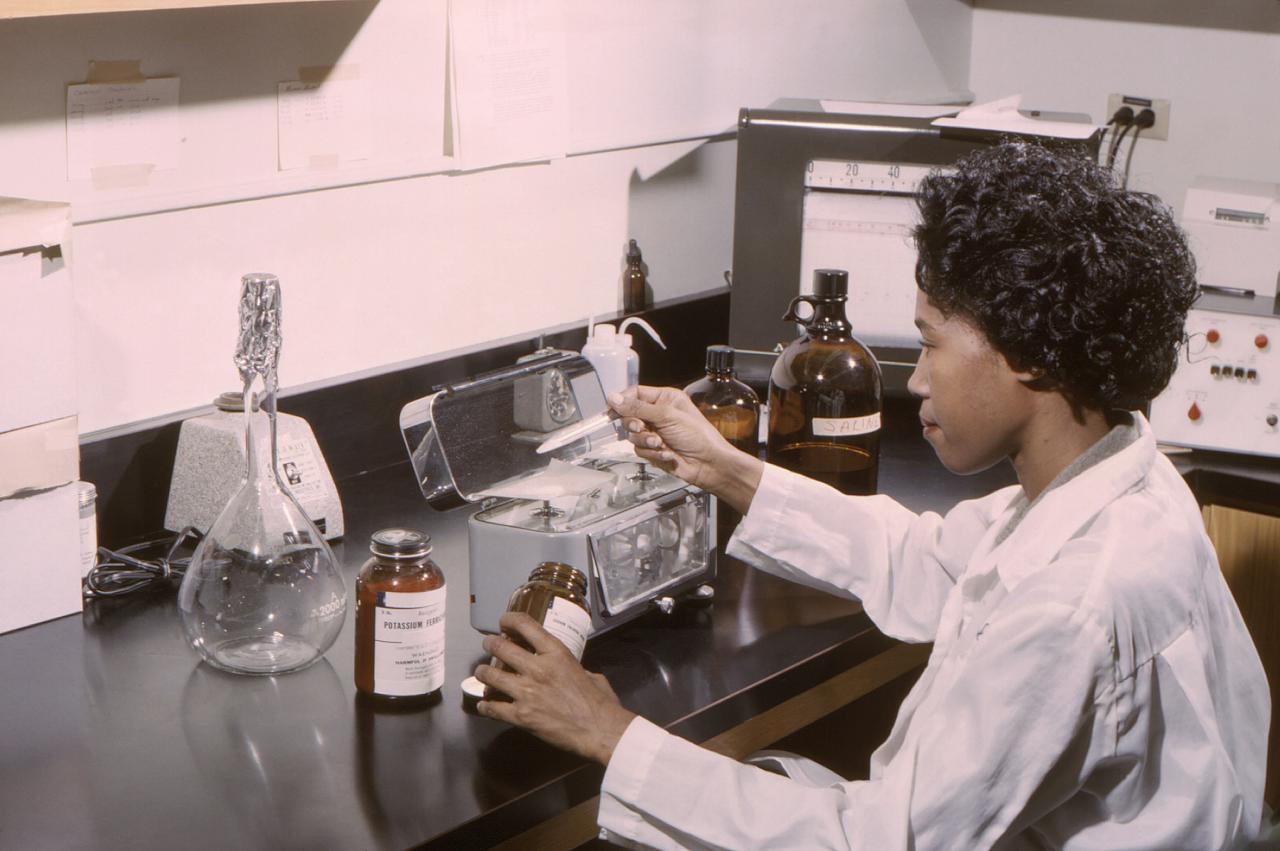
Genetic engineering breakthroughs are the foundation of a very bright and healthy future. Precision medicine ensures that you receive the exact and best treatment for your DNA. Genetically modified crops provide the security and nutrition that our global population truly needs.
Synthetic biology turns simple and tiny microbes into the powerful factories of tomorrow. You solve the biggest health risks by using the most advanced and smart tools. Gene drives offer a real and lasting hope for ending the cycle of malaria.
Organ bio-printing will eventually remove the fear of a long and deadly waiting list. The ethical use of these tools is a major victory for our shared human values. Every single discovery is a step toward a much longer and more vibrant life.
Biological science is no longer just for the classroom or the hidden university lab. It is a vital part of our economy and our personal health journey today. Support for genetic innovation is a vote for a more resilient and smart world.
Stay curious about how your own biology can be improved by these new breakthroughs. The journey to a world without disease starts with a single and smart discovery.