

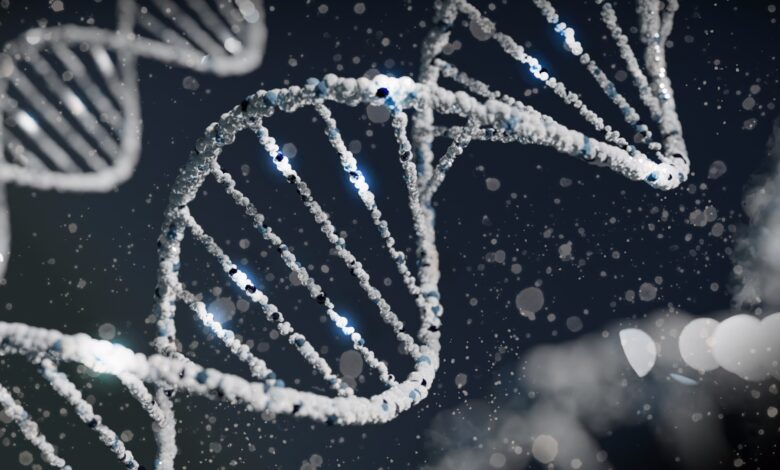
The field of genetic engineering is currently witnessing its most significant leap forward since the original discovery of the CRISPR-Cas9 system over a decade ago. While the first generation of gene editing allowed us to cut DNA like a pair of molecular scissors, it was often criticized for its lack of precision and the potential for unintended mutations.
As we move into 2026, the arrival of CRISPR 3.0, specifically the advancement of “Prime Editing,” is fundamentally changing how we approach human health and hereditary diseases. This new era of biotechnology represents a transition from simply “cutting” genetic code to “search-and-replace” functionality, much like a modern word processor.
We are no longer limited by the cell’s unpredictable natural repair mechanisms, which often led to “off-target” effects in earlier versions. This precision means that scientists can now target nearly any genetic mutation with a level of accuracy that was previously considered science fiction. The implications for the future are staggering, ranging from the permanent cure of sickle cell anemia to the development of crops that can survive extreme climate shifts. This article will explore the technical mechanics, the ethical landscape, and the global impact of this third-generation genetic revolution.
A. The Journey from Cas9 to Prime Editing
The original CRISPR-Cas9 system was a breakthrough, but it functioned by creating double-stranded breaks in the DNA. This forced the cell to repair itself, which often resulted in messy insertions or deletions of genetic material.
CRISPR 2.0 introduced “Base Editing,” which allowed for the conversion of one DNA letter into another without cutting the strands. However, it was limited in the types of changes it could make, only working on specific chemical bases.
A. CRISPR-Cas9 acted as a rough blade, often leaving “scar tissue” in the genome after a successful cut.
B. Base Editing offered more control but lacked the flexibility to insert or delete large segments of code.
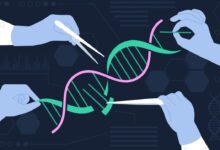

C. Prime Editing, or CRISPR 3.0, combines a disabled Cas9 enzyme with a reverse transcriptase to write new DNA directly.
D. This system uses a specialized pegRNA (prime editing guide RNA) that contains both the location and the new code.
E. The result is a surgical level of precision that can fix approximately 89% of known human pathogenic genetic variants.
B. Why Precision Matters in Modern Medicine
Precision is the difference between a cure and a catastrophe when you are dealing with the fundamental blueprint of a living being. In the past, “off-target” effects meant that a gene might be fixed in one place but broken in another, potentially leading to cancer.
CRISPR 3.0 virtually eliminates this risk by using a single-strand nicking strategy rather than a full double-strand break. This allows the cell to incorporate the new information much more cleanly and safely.
A. Higher accuracy reduces the risk of activating oncogenes (genes that can cause cancer) during the editing process.
B. Precision allows for the treatment of “polygenic” diseases, where multiple genes must be edited simultaneously.
C. Reduced toxicity in edited cells leads to better survival rates for modified tissues in the patient’s body.
D. Doctors can now feel more confident in applying gene therapy to non-life-threatening but debilitating conditions.
E. Enhanced specificity ensures that only the target organ, such as the liver or heart, receives the genetic update.
C. Curing Hereditary Diseases at the Source
The most exciting application of CRISPR 3.0 is the potential to “delete” hereditary diseases from a family line forever. Conditions like Huntington’s disease, cystic fibrosis, and various blood disorders are now in the crosshairs of biotechnologists.
Instead of managing symptoms with lifelong medication, Prime Editing aims to correct the spelling error in the DNA once. This “one-and-done” treatment model could save the global healthcare system trillions of dollars over time.
A. Sickle cell disease is currently one of the primary targets for successful clinical trials using precision editing.
B. Hereditary blindness can be treated by repairing the photoreceptor genes directly within the human eye.
C. Muscular dystrophy patients are seeing hope as Prime Editing allows for the restoration of the dystrophin gene.
D. Rare metabolic disorders that affect children can now be diagnosed and treated in utero before birth.
E. The technology is being used to engineer T-cells that are “super-soldiers” against aggressive forms of leukemia.
D. The Impact on Sustainable Agriculture
Biotenchnology isn’t just about human health; it is about the survival of our food supply in a warming world. CRISPR 3.0 allows for the creation of “climate-smart” crops that are resistant to drought, salt, and pests.
Unlike traditional GMOs, which often involved inserting foreign DNA from other species, Prime Editing simply “tweaks” the plant’s own genes. This makes the resulting crops more acceptable to regulators and consumers alike.
A. Rice and wheat varieties are being edited to increase their photosynthesis efficiency, leading to higher yields.
B. Caffeine-free coffee beans can be grown directly on the tree by turning off the caffeine-producing gene.
C. Fruits like bananas and cacao are being “vaccinated” through gene editing to survive devastating fungal outbreaks.
D. Drought-resistant corn is being developed to ensure food security in regions experiencing desertification.
E. The shelf life of produce can be extended by editing the genes responsible for the ripening and rotting process.
E. Ethical Considerations: The Designer Baby Debate
With such incredible power comes the inevitable question of where we should draw the line. While everyone agrees on curing disease, the idea of “enhancement”—such as choosing eye color or increasing IQ—remains controversial.
Global scientific communities are currently debating a moratorium on “germline” editing, which is editing that can be passed down to future generations. The fear is that we might create a genetic divide between those who can afford enhancements and those who cannot.
A. The distinction between “therapeutic” editing and “aesthetic” enhancement is often blurry and difficult to regulate.
B. Germline editing could lead to permanent changes in the human gene pool that we do not yet fully understand.
C. Socio-economic inequality could be exacerbated if genetic “upgrades” become a commodity for the wealthy.
D. Informed consent is a major issue, as the future generations affected by the edits cannot give their permission.
E. Cultural and religious perspectives vary wildly on whether humans should be “playing God” with biological code.
F. The Business of Biotech: Investing in the Future
The market for gene editing is expected to reach hundreds of billions of dollars by the end of this decade. Pharmaceutical giants and Silicon Valley startups are racing to secure patents for CRISPR 3.0 delivery systems.
For investors, the focus has shifted from the “tools” of editing to the “delivery vehicles.” Getting the Prime Editor into the right cell at the right time is the current billion-dollar challenge in the industry.
A. Viral vectors are the traditional way to deliver gene edits, but non-viral lipid nanoparticles are the new trend.
B. Intellectual property battles over CRISPR patents continue to shape which companies dominate the market.
C. Partnership deals between tech companies and hospitals are accelerating the speed of clinical trials.
D. Regulatory approval from the FDA and EMA is becoming more streamlined as the safety data improves.
E. “Bio-foundries” are being built to mass-produce custom genetic edits for personalized medicine.
G. Synthetic Biology: Beyond Editing to Creation
CRISPR 3.0 is a key tool in the broader field of synthetic biology, where we aren’t just fixing life, but designing it. This involves creating entirely new biological pathways that do not exist in nature.
We can now program bacteria to “eat” plastic in the ocean or secrete rare medicines that are normally expensive to manufacture. This turns biology into a programmable manufacturing platform.
A. Yeast can be programmed to produce high-value chemicals like vanilla or even spider silk in large vats.
B. Bacteria are being engineered to detect and neutralize toxins in soil or contaminated water supplies.
C. Synthetic cells are being developed to act as “living sensors” inside the human body to alert us to disease.
D. Carbon-capturing algae are being optimized to pull CO2 out of the atmosphere at ten times the natural rate.
E. Biological computers that use DNA to store data are becoming a reality thanks to precision writing tools.
H. The Challenges of In-Vivo Delivery
It is one thing to edit cells in a petri dish, but it is much harder to edit them inside a living human body. This is known as “In-Vivo” editing, and it requires highly sophisticated delivery mechanisms.
The Prime Editing machinery is quite large, making it difficult to pack into the standard delivery vehicles used in medicine. Scientists are currently shrinking the components to make them more “portable” for the human bloodstream.
A. Nanobots and “biological drones” are being explored as ways to carry CRISPR tools to specific organs.
B. The immune system often recognizes the editing tools as “invaders” and tries to destroy them before they work.
C. Tissue-specific promoters ensure that the gene editor only “turns on” when it reaches the correct destination.
D. Ex-vivo therapy (editing cells outside the body and putting them back) remains the safest method for now.
E. Breakthroughs in “Hydrogel” delivery allow for the slow release of gene editors at the site of a tumor.
I. Pharmacogenomics: Your Genes, Your Medicine
CRISPR 3.0 is paving the way for a world where your medication is customized to your DNA. This is known as pharmacogenomics, and it aims to eliminate the “trial and error” phase of medical treatment.
By understanding how your specific genetic makeup processes chemicals, doctors can prescribe the exact dose of the exact drug you need. This reduces the risk of dangerous side effects and increases the speed of recovery.
A. Cancer treatments are now being designed to target the specific mutations found in an individual’s tumor.
B. Antidepressants can be selected based on how a patient’s neurotransmitter receptors are genetically coded.
C. Heart medication dosages are being adjusted based on the genetic efficiency of the patient’s liver enzymes.
D. Allergic reactions to common medications can be predicted and avoided through a simple DNA screen.
E. Personalized vaccines are being developed to train the immune system against a patient’s unique viral load.
J. Biodiversity Conservation and De-Extinction
Some scientists are looking at CRISPR 3.0 as a way to save endangered species or even bring back extinct ones. By editing the DNA of closely related species, we can “resurrect” the traits of animals like the woolly mammoth.
More practically, this technology can be used to increase the genetic diversity of shrinking populations, such as the northern white rhino. It acts as a digital “Noah’s Ark” for the natural world.
A. “Gene Drives” can be used to eliminate invasive species that are destroying local island ecosystems.
B. Corals are being edited to survive higher ocean temperatures and prevent the collapse of reef systems.
C. “Back-breeding” using precision tools allows us to regain the hardiness of ancient livestock and pets.
D. Frozen “Bio-banks” are storing the genetic code of thousands of species in case of a global catastrophe.
E. De-extinction projects are serving as “prestige” science that pushes the limits of what Prime Editing can do.
K. Global Regulation and the “Bio-Hacking” Movement
As the tools for CRISPR 3.0 become cheaper and more available, a community of “Bio-hackers” is emerging. These individuals experiment with genetic engineering in home labs, often outside of government oversight.
This has prompted a debate about national security and biosecurity. Governments are struggling to balance the need for open innovation with the risk of someone creating a dangerous pathogen in their garage.
A. International treaties are being drafted to prevent the development of “biological weapons” using CRISPR.
B. “Digital Sequence Information” (DSI) regulations are being debated to ensure fair access to genetic data.
C. DIY biology kits are being monitored to ensure that they do not contain harmful or restricted genetic sequences.
D. Peer-review systems in science are being updated to handle the rapid speed of CRISPR breakthroughs.
E. Public education is essential to help people distinguish between real science and “biotech” conspiracy theories.
L. The Future: A Programmable Biosphere
By 2030, we will likely view the world not just as something we inhabit, but as something we can program. The transition from being a victim of our genetics to being the architect of our biology is almost complete.
The “Dawn of Precision” is more than a catchy phrase; it is a permanent change in the human condition. We are the first species in history to take conscious control of our own evolution.
A. Continuous “Gene Monitoring” will allow us to catch and fix mutations before they ever become a disease.
B. The average human lifespan could be significantly extended by repairing the genetic damage caused by aging.
C. Living buildings grown from genetically modified trees could replace traditional steel and concrete structures.
D. Interplanetary travel will rely on edited plants and microbes that can thrive in the harsh conditions of Mars.
E. The definition of what it means to be “human” will continue to expand as we integrate more with our technology.
Conclusion
The CRISPR 3.0 revolution is finally bringing the dream of precision medicine into our daily reality.
We have moved past the era of messy genetic cuts and into a time of surgical search-and-replace.
The ability to cure hereditary diseases at their source is a triumph of human ingenuity and compassion.
Sustainable agriculture will be the backbone of our survival as the global climate continues to shift.
We must approach the ethical challenges of designer babies with extreme caution and global cooperation.
Investment in biotechnology is no longer speculative but a fundamental driver of the modern economy.
The delivery of these genetic tools into the human body remains the most significant technical hurdle.
Synthetic biology is turning our world into a programmable space where we can design new solutions.
Biodiversity and conservation efforts are receiving a high-tech boost from the power of Prime Editing.
Regulation must keep pace with the speed of innovation to ensure the safety of our entire species.
The future of life on Earth is being rewritten one precise genetic letter at a time in our labs.