


The transition of genetic science from theoretical laboratory research to commercially viable medical treatment represents one of the most significant shifts in modern healthcare history. For decades, the concept of altering the human code to cure disease was relegated to the realm of science fiction, but today, precision genetic therapies are becoming a reality for thousands of patients. This evolution is driven by the convergence of advanced gene-editing technologies like CRISPR-Cas9, sophisticated delivery mechanisms, and a massive influx of venture capital. However, the path to commercialization is fraught with immense technical hurdles, complex regulatory landscapes, and the unprecedented challenge of pricing “one-time cures.”
As biotechnology firms move beyond initial discovery, the focus has shifted toward building scalable manufacturing processes that can produce these sensitive biological products with absolute consistency. Furthermore, the industry is witnessing a total rethink of the traditional pharmaceutical business model, moving from chronic treatment cycles to definitive, curative interventions. Success in this field requires a delicate balance between high-stakes scientific innovation and pragmatic market access strategies that ensure these life-changing therapies actually reach the people who need them.
This comprehensive analysis will explore the structural pillars necessary to bring genetic breakthroughs to the global market profitably. We will examine the logistics of viral vector production, the intricacies of patent law in the genomic age, and the emerging payment models that support million-dollar therapies.
The Scientific Foundation of Precision Gene Editing

Before a therapy can be sold, it must demonstrate a level of precision that minimizes off-target effects while maximizing therapeutic impact. The industry has moved toward highly targeted approaches that address the root cause of genetic disorders at the molecular level.
A. CRISPR-Cas9 and Next-Generation Nucleases
These molecular scissors allow scientists to cut and paste DNA with incredible accuracy. New variants of these enzymes are being developed to reduce unintended mutations, which is critical for gaining regulatory approval and ensuring patient safety.



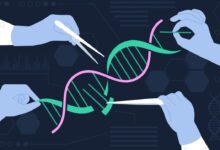


B. Base and Prime Editing Technologies
Unlike traditional CRISPR, which breaks both strands of DNA, base editing allows for the direct conversion of one DNA base into another. This “search and replace” function is often safer and more effective for treating certain types of point mutations.
C. In Vivo vs. Ex Vivo Therapeutic Approaches
Some therapies involve removing a patient’s cells, editing them in a lab, and re-infusing them (ex vivo), while others involve injecting the gene-editing tool directly into the body (in vivo). Each method has distinct commercial advantages and manufacturing complexities that influence the final market price.
Overcoming the Manufacturing Bottleneck
One of the greatest barriers to commercializing genetic therapies is the sheer difficulty of producing them at scale. Biological manufacturing is significantly more complex than chemical pill production and requires highly specialized facilities.
A. Viral Vector Production and Scalability
Most genetic therapies rely on viruses like AAV (Adeno-Associated Virus) to deliver the new genetic material into cells. Producing high-titer, high-purity viral vectors is currently the most expensive and time-consuming part of the biotech supply chain.
B. Automation in Cell Processing
To reduce costs and human error, firms are investing in “closed-loop” automated systems that handle cell isolation and modification. This transition from manual lab work to industrial automation is essential for bringing genetic therapies to a broader patient population.
C. Quality Control and Genomic Integrity Testing
Ensuring that every batch of a genetic therapy is identical is a massive regulatory requirement. Companies must use advanced sequencing technologies to verify that no harmful mutations were introduced during the manufacturing process.
Navigating the Regulatory and Ethical Landscape
The regulatory path for genetic therapies is unlike any other medical product, often involving “accelerated pathways” due to the urgent need for treatments for rare diseases. However, these fast tracks come with intense scrutiny and rigorous long-term follow-up requirements.
A. FDA and EMA Accelerated Approval Pathways
Regulators have created special designations for “breakthrough” therapies that show substantial improvement over existing treatments. Navigating these pathways requires early and frequent communication with government agencies to ensure data meets the high standards for safety.
B. Ethical Considerations in Germline vs. Somatic Editing
While somatic editing only affects the patient, germline editing could affect future generations. Commercial firms almost exclusively focus on somatic editing to avoid the significant legal and ethical controversies associated with heritable genetic changes.
C. Long-Term Patient Monitoring and Registry Requirements
Because the long-term effects of gene editing are still being studied, regulators often require companies to track patients for 15 years or more. This creates a long-term financial obligation for the manufacturer that must be factored into the commercial business model.
Strategic Intellectual Property Management
In the biotech world, a company’s value is often tied directly to its patent portfolio. Protecting the “how” and “where” of a genetic edit is the key to maintaining a competitive advantage in a crowded market.
A. Broad vs. Narrow Patent Claims
Companies must decide whether to seek broad patents on an entire technology platform or narrow patents on a specific disease application. Broad patents provide more protection but are much more likely to be challenged in court by competitors.
B. Licensing Agreements and Freedom to Operate
Many biotech startups must license foundational technologies like CRISPR from academic institutions. Ensuring you have the “freedom to operate” without infringing on other patents is a critical step before seeking series-level investment.
C. The Role of Trade Secrets in Manufacturing
While the therapy itself is patented, the specific “recipe” for manufacturing it is often kept as a trade secret. This provides an extra layer of protection against competitors who might try to create “biosimilar” versions of the therapy.
Emerging Reimbursement and Pricing Models
The price tag for a single genetic treatment can reach into the millions of dollars, which traditional insurance models are not equipped to handle. Innovative financing is required to make these cures accessible without bankrupting the healthcare system.
A. Value-Based and Outcome-Based Contracting
In this model, the manufacturer only receives full payment if the therapy actually works over a set period. If the patient’s symptoms return, the insurance company may be entitled to a partial refund, shifting the risk back to the biotech firm.
B. Annuity-Style Payment Plans
Instead of a single upfront payment, the cost of the therapy is spread out over several years. This allows insurance providers to manage their cash flow while still providing patients with immediate access to life-saving cures.
C. The “Orphan Drug” Incentive Structure
Many genetic therapies target rare diseases with very small patient populations. Governments provide tax credits and extended market exclusivity to make it financially viable for firms to invest in these “orphan” conditions.
Supply Chain and Cold Chain Logistics
Genetic therapies are incredibly fragile and often have a very short shelf life. Building a logistics network that can maintain “cryogenic” temperatures across the globe is a feat of modern engineering.
A. Cryogenic Storage and Transportation
Living cells must be kept at temperatures as low as -150 degrees Celsius to remain viable. This requires specialized “dry vapor” shippers and a network of logistics partners who can guarantee a 100% unbroken cold chain.
B. Chain of Identity (COI) and Chain of Custody (COC)
For autologous therapies (using the patient’s own cells), there is zero room for error in labeling. Digital tracking systems ensure that the right cells always go back to the right patient, preventing catastrophic medical errors.
C. Localized vs. Centralized Manufacturing Hubs
Some companies are building “hospitals of the future” where the genetic editing happens on-site. Others prefer a centralized model where all cells are flown to a single mega-factory, which offers better quality control but higher logistics risks.
The Role of AI in Genetic Discovery
Artificial intelligence is drastically shortening the time it takes to identify therapeutic targets and design the tools to edit them. This digital acceleration is a major driver of the current biotech boom.
A. Predicting Off-Target Effects with Machine Learning
AI models can scan the entire human genome to predict where a gene-editing tool might accidentally cut. This allows scientists to refine their tools digitally before ever stepping into a physical laboratory.
B. Optimizing Viral Vector Design
AI algorithms can design “synthetic” viruses that are more efficient at delivering genetic cargo to specific organs like the heart or brain. This increases the potency of the therapy and can lower the required dose, reducing side effects.
C. In Silico Clinical Trials and Data Modeling
By simulating how thousands of virtual patients might respond to a therapy, firms can better design their real-world clinical trials. This reduces the risk of trial failure and saves millions of dollars in development costs.
Market Entry and Commercial Launch Strategies
A successful launch requires more than just a miracle drug; it requires an ecosystem of trained physicians, specialized clinics, and educated patient advocates.
A. Physician Education and Treatment Center Certification
Administering a genetic therapy is a complex procedure that requires specialized training. Companies must work closely with top-tier academic medical centers to ensure they have the infrastructure to handle these advanced products.
B. Patient Advocacy and Community Engagement
For rare diseases, the patient community is often small but highly organized. Engaging with these groups early in the development process helps build trust and ensures the clinical trials are designed with the patient’s actual needs in mind.
C. Global Market Prioritization
Biotech firms must choose which countries to launch in first based on the local regulatory environment and the willingness of the government to pay for high-cost cures. Usually, the US and EU are the primary targets, followed by high-income Asian markets.
The Impact of Geopolitics on Biotech Innovation
Biotechnology is increasingly seen as a matter of national security and economic competitiveness. Governments are racing to build their own “bio-economies” to avoid dependence on foreign medical supply chains.
A. The Rise of “Bio-Nationalism”
Some countries are restricting the export of genetic data or certain biotech tools to protect their domestic industry. This can create challenges for multinational firms that rely on the free flow of information and biological samples.
B. Sovereign Wealth Fund Investments in Biotech
Many countries are using their national wealth funds to invest directly in promising genetic therapy startups. This provides a stable source of long-term capital that is less sensitive to the ups and downs of the public stock market.
C. International Standardization of Genomic Data
For the global market to function, there must be agreement on how genetic data is stored and shared. Efforts are underway to create international standards that protect privacy while allowing for cross-border scientific collaboration.
Future Frontiers: Beyond Monogenic Cures
While today’s therapies mostly target diseases caused by a single faulty gene, the future lies in treating complex, multi-gene conditions like heart disease, diabetes, and even aging.
A. Multiplex Editing and Complex Trait Modification
Future therapies may involve making dozens of edits at once to “reprogram” a cell’s behavior. This could lead to a new generation of “living medicines” that can detect and treat disease inside the body automatically.
B. In Vivo Gene Writing and Large-Scale Insertion
Current tools are good at breaking things; the next generation will be good at building things. “Gene writers” will allow scientists to insert entire healthy genes into the genome without relying on unpredictable viral vectors.
C. The Vision of Preventative Genetic Maintenance
Eventually, we may see a shift from “curing” disease to “preventing” it through early genetic intervention. This would represent the ultimate commercialization of biotechnology, turning the human genome into a manageable and maintainable asset.
Conclusion

Commercializing precision genetic therapies represents the final frontier of the modern pharmaceutical industry. Scalable manufacturing is the most critical hurdle that firms must overcome to move from boutique labs to global markets. Regulatory pathways are evolving to accommodate the unique nature of one-time curative treatments for rare conditions. Intellectual property remains the bedrock of value for biotech startups seeking to protect their revolutionary discoveries. Outcome-based pricing models are essential for making million-dollar therapies sustainable for national healthcare systems.
The fragility of genetic products requires a level of logistics precision that has never been seen in medicine before. Artificial intelligence is accelerating the discovery phase and reducing the risks associated with clinical trial failure. Building a digital-first supply chain ensures that the “chain of identity” is never broken during the treatment process. Patient advocacy groups play a vital role in shaping the development and acceptance of these transformative cures. Global competition for biotech dominance is turning the sector into a key pillar of national economic security.
The shift from treating symptoms to providing permanent cures is fundamentally changing the pharma business model. Advanced gene-editing tools like base and prime editing are making treatments safer and more accessible for everyone. Future innovations will likely move beyond rare diseases to tackle the world’s most common and complex health challenges. Ultimately, the successful commercialization of these therapies will redefine our relationship with the human biological code.