

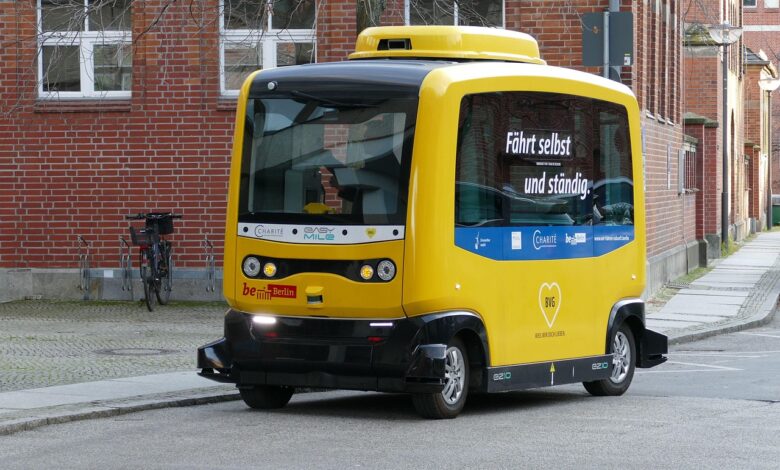
The global logistics landscape is currently witnessing a radical transformation as the final leg of the supply chain moves toward total automation. Last-mile delivery has traditionally been the most expensive, inefficient, and carbon-intensive part of the entire shipping journey for retail giants and local businesses alike. However, the emergence of autonomous technologies, ranging from sidewalk robots to heavy-lift drones, is offering a sophisticated solution to these age-old operational bottlenecks. Scaling these autonomous systems from a single pilot program to a city-wide infrastructure requires a deep understanding of hardware reliability, software orchestration, and urban regulatory compliance.
Companies are no longer just looking for a “cool” gadget; they are seeking comprehensive frameworks that can handle thousands of deliveries simultaneously without human intervention. This shift involves integrating artificial intelligence for real-time route optimization and building modular hubs that can service a diverse fleet of autonomous vehicles. As consumer expectations for instant gratification grow, the ability to scale these delivery systems becomes a critical factor for market survival. This article will deconstruct the essential layers of autonomous last-mile scalability and explore how enterprises can build a future-proof delivery engine. By understanding the mechanics of these underlying systems, you can see how the next era of urban commerce is being built from the ground up.
The Foundation of Autonomous Fleet Orchestration
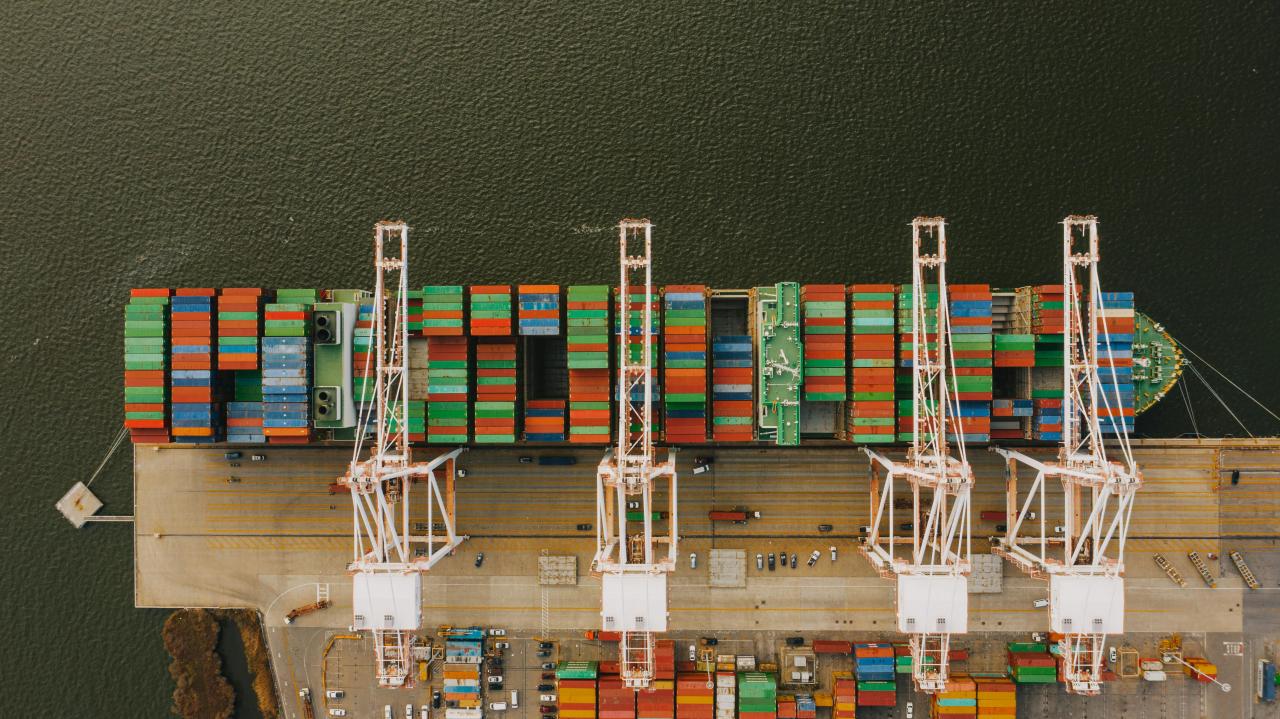
To scale any delivery system, you need a central “brain” capable of managing hundreds of moving parts across a complex urban grid.
A. AI-Driven Route Optimization
Traditional GPS is not enough for autonomous robots that must navigate sidewalks, avoid pedestrians, and manage battery life. Scalable frameworks use machine learning to predict traffic patterns and weather conditions, ensuring the most efficient path is always chosen.
B. Dynamic Fleet Rebalancing
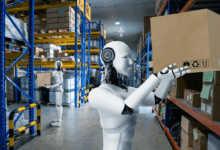
Autonomous units must be positioned in areas with the highest predicted demand before orders even come in. A scalable system automatically shifts robots toward high-density zones during peak hours and moves them to charging stations during lulls.
C. Interoperability Standards
Scalability is only possible if different types of robots and drones can communicate within the same digital ecosystem. Using open-source protocols allows an enterprise to mix and match hardware from different manufacturers without breaking the overall system.
Infrastructure for the Autonomous Hub
The success of last-mile automation depends heavily on the physical environment where these machines are stored, loaded, and maintained.
A. Micro-Fulfillment Center Integration
Instead of one giant warehouse outside the city, scalable frameworks rely on small, automated hubs hidden within neighborhoods. These centers use robotic picking systems to prepare orders for the autonomous delivery fleet in minutes.
B. Automated Charging and Maintenance Ports
A robot that is out of battery is a liability, so hubs must feature automated docking stations. These ports can also perform quick diagnostic checks, identifying mechanical issues before a unit fails in the middle of a delivery.
C. Modular Loading Bays
Standardizing the “cargo box” allows robots to be loaded by automated arms without human assistance. This seamless handoff between the fulfillment center and the delivery unit is vital for high-volume operations.
Navigating the Urban Regulatory Landscape
Scaling autonomous tech is as much about legal frameworks as it is about software and hardware engineering.
A. Municipal Zoning and Access Rights
Cities are beginning to create specific lanes for delivery robots to prevent sidewalk congestion. Establishing strong partnerships with local governments is a prerequisite for moving from a pilot to a full-scale rollout.
B. Data Privacy and Public Safety Compliance
Autonomous vehicles use cameras and sensors to navigate, raising concerns about the privacy of citizens. Scalable frameworks include “privacy-by-design” features, such as automatic blurring of faces and license plates in real-time.
C. Liability and Insurance Protocols
When a robot is involved in an accident, the legal responsibility must be clearly defined. Innovative logistics firms are working with insurers to create dynamic policies that adjust based on the safety record of the autonomous fleet.
The Role of Edge Computing in Reliability
Processing data at the “edge” allows autonomous units to make split-second decisions without waiting for a signal from a distant server.
A. Real-Time Obstacle Avoidance
If a child runs in front of a delivery robot, the decision to stop must happen locally on the device. Edge computing provides the low-latency processing required to handle these high-stakes safety scenarios.
B. Bandwidth Optimization
Streaming high-definition video from every robot would overwhelm city networks. Edge processing allows the robot to only send “anomaly” data to the central server, keeping the network clear for other critical tasks.
C. Offline Navigation Capabilities
Urban canyons and underground tunnels often have poor connectivity. Scalable robots must have enough internal intelligence to complete their route even if they lose contact with the central “brain” temporarily.
Human-Machine Interaction Strategies
Even in a fully autonomous system, the interaction between the machine and the end customer must be smooth and intuitive.
A. Secure Access and Identification
Customers need a simple way to unlock the robot when it arrives at their door. Using mobile apps with encrypted QR codes or biometric verification ensures that only the rightful owner can access the cargo.
B. Public Interface and Communication
Robots that can “speak” or use light signals to communicate their intentions are better accepted by the public. This reduces friction and prevents “robot harassment,” which can be a significant bottleneck for scaling in dense areas.
C. Remote Human Intervention Hubs
For the five percent of cases where a robot gets stuck, a human “teleoperator” should be able to take control remotely. This hybrid model allows one human to manage a fleet of fifty robots, maintaining the efficiency of the system.
Financial Models for Autonomous Scaling
Transitioning to an automated fleet requires a massive capital investment that must be managed through innovative financial structures.
A. Robot-as-a-Service (RaaS) Models
Instead of buying thousands of robots, companies can lease them on a per-delivery basis. This shifts the financial burden to operational expenses and allows for rapid scaling without a huge upfront cost.
B. Energy Arbitrage and Cost Management
Autonomous hubs can be programmed to charge their fleets during off-peak hours when electricity is cheapest. This tiny saving, multiplied by thousands of units, results in a significant boost to the overall profit margin.
C. Total Cost of Ownership (TCO) Analysis
Scaling requires a clear understanding of when the autonomous system becomes cheaper than a human driver. Most frameworks reach this “break-even” point when the fleet reaches a specific density within a small geographic area.
Sustainable Delivery and the Green Mandate
Automation and sustainability go hand-in-hand, as electric robots are inherently cleaner than traditional delivery vans.
A. Carbon Footprint Reduction Metrics
Scalable frameworks track the CO2 savings of every robotic delivery compared to a gas-powered vehicle. This data is increasingly valuable for meeting environmental regulations and attracting eco-conscious investors.
B. Biodegradable and Minimalist Packaging
Since robots often have smaller cargo holds, companies are forced to innovate with smaller, lighter packaging. This reduction in material use is another revenue stream hidden within the efficiency of the system.
C. Noise Pollution Mitigation
Electric robots are silent, making them ideal for night-time deliveries in residential areas. This allows logistics firms to operate twenty-four hours a day without violating local noise ordinances.
The Evolution of Aerial Drone Scalability
While sidewalk robots handle the ground, drones are being integrated to solve the “vertical” challenge of high-rise cities.
A. Unmanned Traffic Management (UTM)
Drones require a digital “air traffic control” to prevent mid-air collisions. Scalable frameworks integrate with national aviation authorities to ensure drones stay within designated “flight corridors.”
B. Parachute and Fail-Safe Systems
Safety is the biggest barrier to drone scaling. High-quality frameworks include redundant motors and emergency parachutes to ensure that a technical failure doesn’t result in a dangerous fall.
C. Weather-Resistant Drone Engineering
To be truly scalable, drones must be able to operate in rain, wind, and snow. Investing in “hardened” hardware allows for a consistent delivery schedule regardless of the season.
Data Security in the Delivery Grid
As the delivery fleet becomes a network of moving sensors, protecting that network from cyberattacks is a top priority.
A. End-to-End Command Encryption
Hackers must not be able to “hijack” a robot or drone by intercepting its control signals. Advanced frameworks use military-grade encryption for every instruction sent from the hub to the fleet.
B. Blockchain for Chain-of-Custody
Using a decentralized ledger to record every handoff ensures that the package is never lost or tampered with. This transparency builds trust with high-value clients who ship expensive electronics or pharmaceuticals.
C. Firmware-Over-The-Air (FOTA) Updates
A scalable fleet must be able to receive security patches simultaneously. FOTA allows the entire network to be upgraded overnight, ensuring that every unit has the latest defense against emerging threats.
Future Horizons: The Internet of Moving Things
The final stage of last-mile scalability is the total integration of delivery units into the “Smart City” ecosystem.
A. V2X (Vehicle-to-Everything) Communication
Delivery robots will eventually talk to traffic lights, smart doors, and even other autonomous cars. This level of integration will allow for a “frictionless” city where goods move as easily as information.
B. Predictive Maintenance with Digital Twins
Creating a digital replica of every robot allows engineers to simulate wear and tear in a virtual world. This allows them to replace a part before it breaks, ensuring the fleet stays at 100% capacity.
C. Crowdsourced Hub Networks
In the future, private citizens might host charging ports or micro-hubs in exchange for discounted shipping. This “Uber-style” infrastructure would allow for infinite scalability without the need for massive corporate real estate.
Conclusion
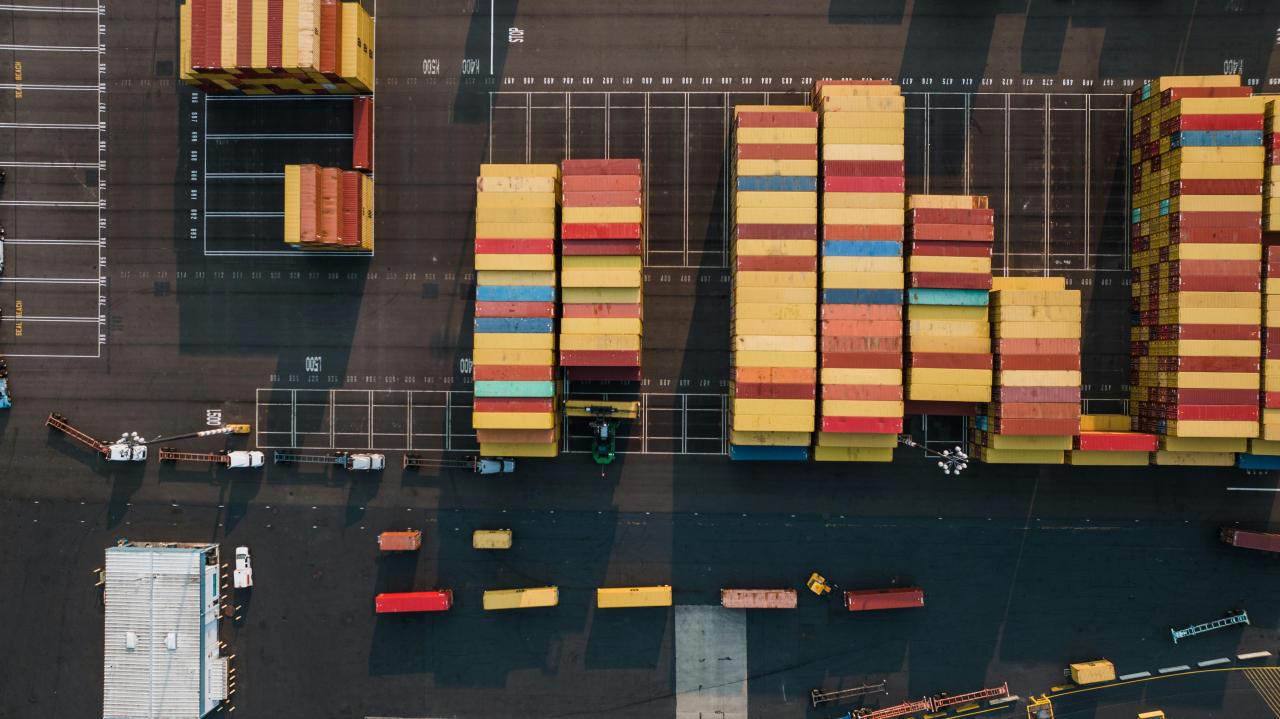
Autonomous last-mile delivery scalability frameworks are the essential blueprint for the future of global logistics. Traditional shipping methods are no longer sufficient to meet the demands of a modern, digital-first consumer base. Automation offers a way to significantly reduce the high costs and inefficiencies associated with the final leg of delivery. Artificial intelligence serves as the central nervous system that coordinates thousands of independent robotic units. Physical infrastructure must evolve into a network of micro-fulfillment centers located deep within urban environments. Regulatory compliance and public safety are the most significant hurdles that developers must overcome through transparent design.
Edge computing ensures that autonomous units can operate safely and reliably even in the most complex city settings. Human interaction with these machines must be carefully designed to ensure broad social acceptance and ease of use. The financial shift toward Robot-as-a-Service models is making it easier for companies to adopt this technology quickly. Sustainability is a core benefit of this transition as electric fleets help cities reach their carbon neutrality goals. Drones and ground robots will eventually work together in a multi-layered delivery ecosystem that covers all terrains. Cybersecurity is a fundamental requirement for protecting a fleet that is essentially a network of mobile computers.
Data generated by these systems will provide the insights needed to further optimize the entire global supply chain. Smart city integration will eventually make the movement of goods invisible and instantaneous for the end user. The companies that invest in these scalability frameworks today will be the leaders of the logistics industry tomorrow. Innovation is a continuous journey that requires a commitment to both high-end engineering and human-centric strategy. Ultimately, the goal is to create a world where any product can be delivered to any doorstep in a matter of minutes.