

The global supply chain, a sprawling, intricate network responsible for moving raw materials, components, and finished goods across continents, has long been characterized by complexity, labor dependency, and vulnerability to disruption. Events of the last few years, from pandemics to geopolitical volatility, have exposed the fragility and inefficiency of traditional, manual logistics models. The urgent need for resilience, speed, and precision is now driving the most profound technological overhaul in modern commerce: the integration of Robotics and Intelligent Automation. This shift sees robots moving from simple, fixed factory tools to flexible, collaborative, and mobile workers operating autonomously in dynamic environments like warehouses, ports, and last-mile delivery. Robotics Automates Global Supply Chains is a central theme in the high-stakes, high-CPC (Cost Per Click) sectors of industrial automation, logistics investment, enterprise software, and manufacturing technology.
This revolution fundamentally redefines labor, efficiency, and inventory management. By deploying fleets of automated guided vehicles (AGVs), sophisticated robotic arms, and autonomous mobile robots (AMRs), companies are achieving unprecedented throughput, minimizing human error, and operating 24/7 without fatigue. For businesses seeking a sustainable competitive edge and maximum profitability, leveraging this technology is the key to decoupling operational efficiency from rising labor costs and market unpredictability. This comprehensive analysis will explore the core robotic technologies driving this change, detail their impact across the entire supply chain value chain (from warehousing to last-mile delivery), and address the crucial management and ethical considerations required for successful, large-scale implementation.
A. Core Robotic Technologies Reshaping Logistics
The successful automation of the supply chain is achieved through a portfolio of specialized robotic systems, each designed to optimize specific tasks within the flow of goods.
-
A. Autonomous Mobile Robots (AMRs): The backbone of modern warehouse and fulfillment automation. Unlike older Automated Guided Vehicles (AGVs) which follow fixed magnetic lines or wires, AMRs use advanced sensors, AI, and integrated mapping to navigate dynamic environments. A. Dynamic Navigation: AMRs intelligently route themselves around unexpected obstacles, human workers, and changing inventory layouts, offering superior flexibility and scalability compared to fixed automation. B. Collaborative Picking: AMRs often work in a “goods-to-person” system, retrieving shelves or racks and bringing them directly to human pickers, drastically reducing the unproductive time spent walking.
-
B. High-Speed Robotic Arms: Used for precise, repetitive tasks where consistency and speed are paramount, primarily in manufacturing and packaging. C. Vision-Guided Sorting: Utilizing 3D vision systems and machine learning, robotic arms can identify, orient, and manipulate randomly placed objects (“bin picking”) or quickly sort small items at speeds impossible for humans. D. Collaborative Robots (Cobots): Lighter, smaller robotic arms designed to safely work alongside human employees without extensive safety caging. They handle strenuous or repetitive tasks while humans focus on complex problem-solving or quality control.
-
C. Automated Guided Vehicles (AGVs) and Forklifts: Still essential for moving heavy, palletized loads over long, fixed distances within large facilities. E. Pallet Transport: AGVs are programmed for heavy-duty, repetitive line-haul tasks between the receiving dock, storage, and shipping areas, minimizing the risk of human error and accidents associated with manual forklift operation.
-
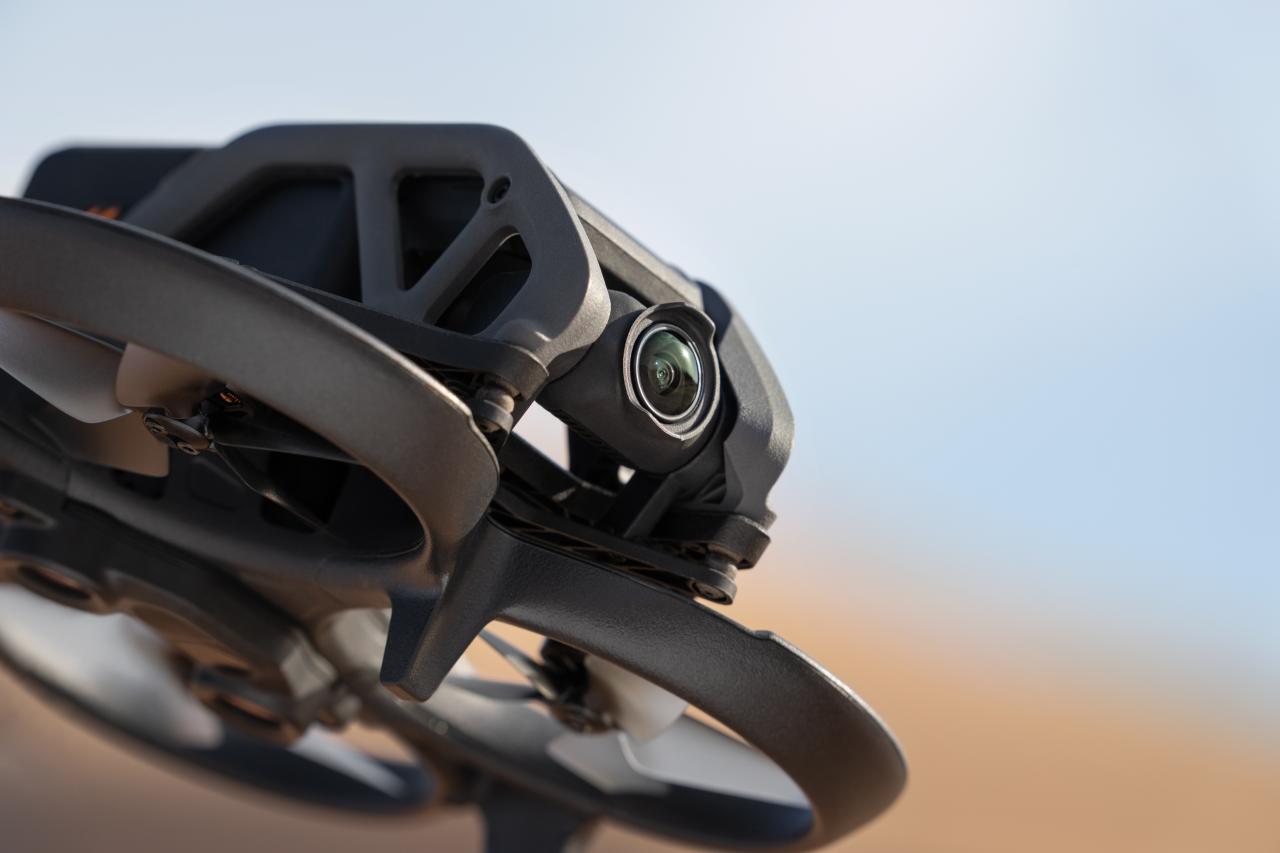
D. Drones and Autonomous Last-Mile Delivery: Robotics extending beyond the warehouse to the consumer’s doorstep. F. Inventory Scanning: Drones equipped with RFID and computer vision technology can fly through tall warehouse aisles, rapidly scanning and auditing inventory levels, achieving near-perfect real-time stock accuracy far quicker than manual counting.
B. Automation Across the Supply Chain Value Chain
The integration of robotics is holistic, optimizing every major phase of the supply chain, from entry to exit.
I. Receiving and Inbound Logistics
-
A. Automated Unloading: Robotic systems equipped with specialized suction cups or grippers are beginning to automate the slow, labor-intensive process of unloading irregularly packed containers and trucks.
-
B. Inspection and Quality Control: Robots use high-resolution cameras, thermal imaging, and AI to automatically inspect inbound goods for damage, verify quantities against manifests, and even check the quality or composition of materials, improving data integrity immediately upon receipt.
-
C. Automated Put-Away: AMRs and automated storage and retrieval systems (AS/RS) autonomously transport incoming goods directly to their optimal storage location based on data analysis (e.g., predicted demand, size, and temperature requirements).
II. Storage, Inventory Management, and Fulfillment
-
D. High-Density Storage (AS/RS): These systems use automated cranes and shuttles to store and retrieve inventory in highly condensed, vertical racks, utilizing space far more efficiently than human-accessible layouts.
-
E. Precision Picking and Kitting: Advanced robotic arms work with vision systems to perform piece picking—selecting individual items from bins—which is essential for e-commerce fulfillment and complex kitting operations (assembling product sets).
-
F. Real-Time Tracking: Every robotic movement and transaction is logged instantly into the Warehouse Management System (WMS), providing perfect inventory visibility and minimizing the cost associated with stock-outs or misplaced goods.
III. Outbound and Last-Mile Logistics
-
G. Automated Packaging and Labeling: Robots custom-build boxes to the minimum necessary size for each order (right-sizing), minimizing material usage (sustainability benefit) and reducing shipping costs. They then apply labels and prepare packages for sorting.
-
H. Automated Sorting and Staging: High-speed robotic conveyor systems and smart shuttles sort thousands of packages per hour by destination, staging them precisely for loading onto the correct truck, reducing dispatch errors.
-
I. Autonomous Delivery Vehicles (ADVs): Ground-based ADVs (small sidewalk robots) and air-based drones are being tested and deployed to handle the final, most expensive leg of the journey, reducing delivery time and labor costs in dense urban areas.

C. Strategic Advantages and Economic Impact
The shift to robotic automation is driven by compelling economic necessities, providing strategic advantages in scalability, resilience, and profitability.
-
A. Resilience to Labor Scarcity and Cost Volatility: Robotics provide an effective hedge against rising minimum wages, labor shortages, and unexpected workforce disruptions (e.g., sickness or strikes), ensuring continuity of operations.
-
B. Scalability and Peak Demand Handling: Automated systems can instantly scale their capacity to handle peak seasonal demand (e.g., holidays) without needing to hire, train, or manage a temporary human workforce, achieving much higher throughput.
-
C. Minimizing Errors and Damages: Robots operate with near-perfect consistency, drastically reducing human errors in picking, packing, and sorting, which minimizes costs associated with shipping the wrong item, product damage, and subsequent customer returns.
-
D. Optimized Space Utilization: AS/RS and vertical storage systems allow warehouses to maximize cubic space, reducing the need for expensive new real estate acquisition and minimizing heating/cooling costs for the occupied footprint.
-
E. Safety and Ergonomics: Removing human workers from the most dangerous, repetitive, or physically strenuous tasks (like heavy lifting or repetitive bending) drastically reduces workplace injuries and insurance liabilities.
D. Management Challenges and Ethical Integration
The implementation of robotics is a major organizational change that requires careful planning, new skill sets, and a deliberate focus on ethical labor transition.
-
A. Integration Complexity and Initial Capital Cost: Implementing comprehensive robotic systems requires massive upfront capital investment and the complex integration of proprietary robot software with existing legacy WMS/ERP systems, demanding specialized IT expertise.
-
B. Maintenance and Downtime Risk: Robots require specialized maintenance teams and spare parts. If a central automated system fails, it can bring the entire operation to a standstill—a far greater risk than localized human error.
-
C. Data Management and System Interoperability: Success relies on the seamless flow of data between the robots, the WMS, the TMS (Transportation Management System), and the core ERP. Ensuring all these systems “speak the same language” is a significant hurdle.
-
D. Workforce Transition and Re-skilling: The ethical responsibility of managing job displacement is paramount. Companies must strategically re-skill existing employees to take on new roles focused on robot maintenance, system management, data analysis, and exception handling, ensuring a just transition for the human workforce.
-
E. Cybersecurity of Autonomous Systems: Fleets of connected robots introduce a vast, new attack surface. Securing the operational technology (OT) network from ransomware or malicious control is crucial, as a hack could physically halt operations or cause dangerous mechanical failures.
E. The Future Trajectory of Intelligent Logistics
The next phase of supply chain automation will be defined by greater intelligence, deeper collaboration between systems, and the adoption of decentralized protocols.
-
-
A. Swarm Robotics and Deep Learning: Moving beyond centralized control to swarm robotics, where large fleets of AMRs communicate and coordinate autonomously using decentralized AI, dynamically optimizing routes and tasks in real-time.
-
B. Deep Integration with AI Planning: Future warehouses will be governed by intelligent AI systems that not only manage robot movements but also predict future demand, automatically generating purchase orders, optimizing storage locations, and scheduling delivery fleets without human intervention.
-
C. Exoskeletons and Human Augmentation: Rather than full replacement, technology will increasingly focus on human augmentation, providing workers with powered exoskeletons and smart glasses that enhance their physical strength, endurance, and data retrieval capabilities, improving productivity and safety.
-
D. Blockchain for Authenticity and Tracking: Integrating blockchain technology to provide an immutable record of every transaction performed by a robot—from inspecting a shipment to sealing a package—enhancing end-to-end transparency and verifiable authenticity across the supply chain
-

In conclusion, the full-scale automation of the global supply chain via Robotics is underway, driven by the economic necessity for resilience and precision. This revolution is transforming warehouses into intelligent, data-driven ecosystems, enhancing safety, reducing volatility, and unlocking unprecedented scalability. By strategically managing the complexities of integration, investing in new data management infrastructure, and ethically re-skilling the human workforce, businesses can secure a dominant position in the hyper-efficient, roboticized future of global commerce.

